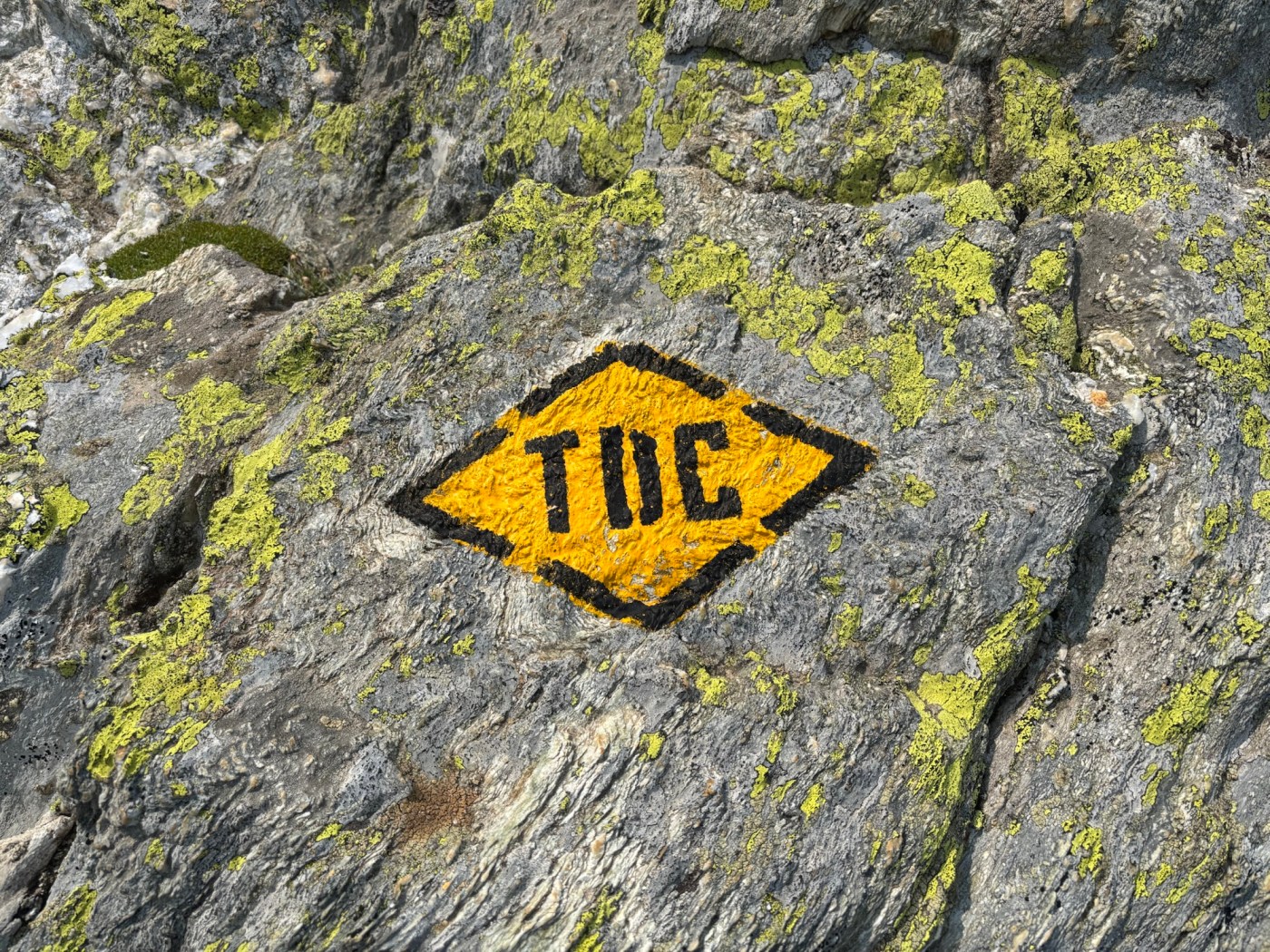
Day 1: Bourg-Saint-Pierre to Cabane de Mille
Our adventure began with a steady climb out of Bourg-Saint-Pierre, the trail winding its way up through alpine meadows and rocky paths. The rhythm of the ascent was calming, and we found ourselves settling into the pace of the hike.
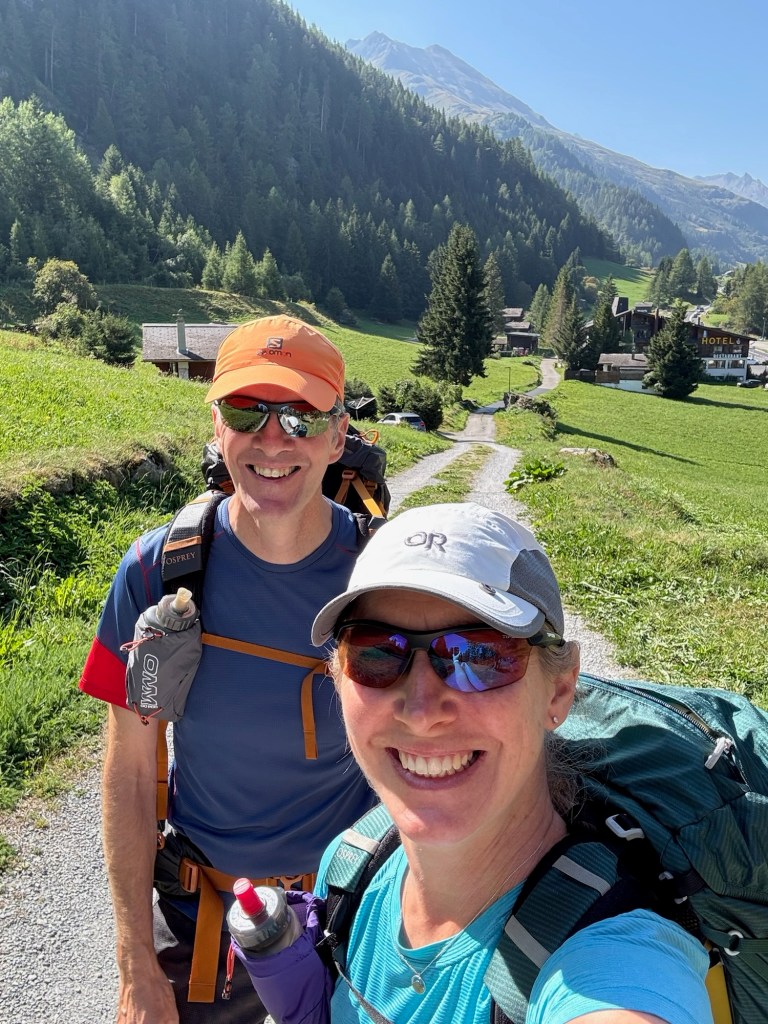
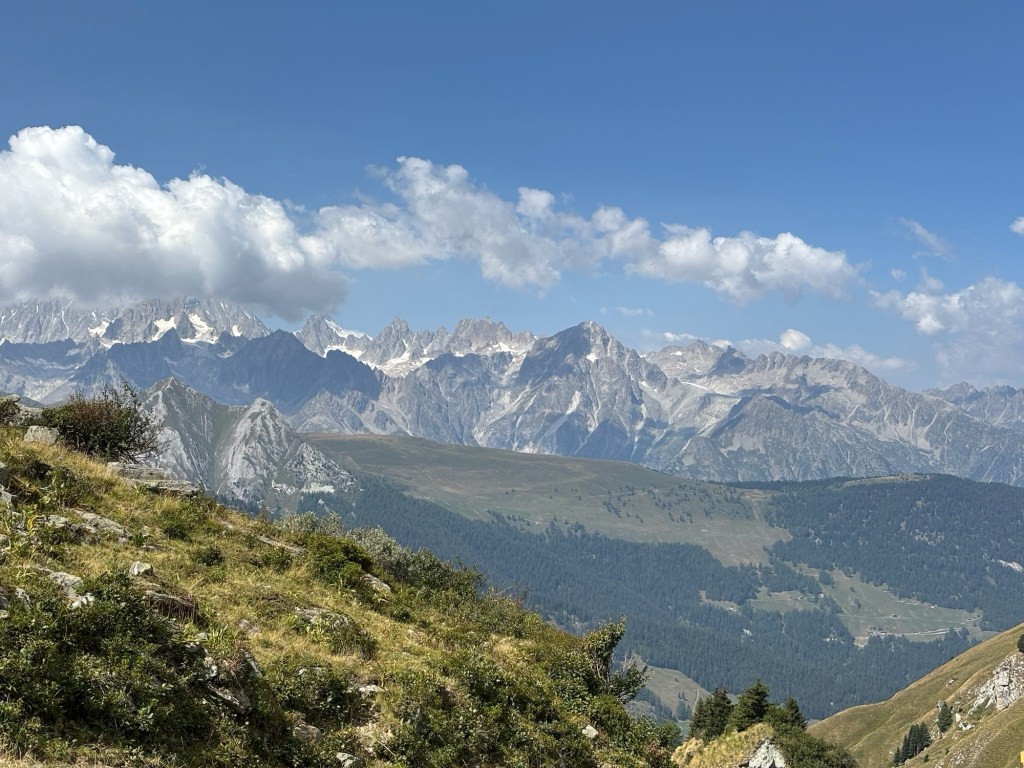
We stopped for lunch at a scenic spot, coincidentally sharing it with another group of hikers who would later become our trail companions and friends. It was one of those serendipitous moments that hiking often gifts you—strangers at first, soon familiar faces.
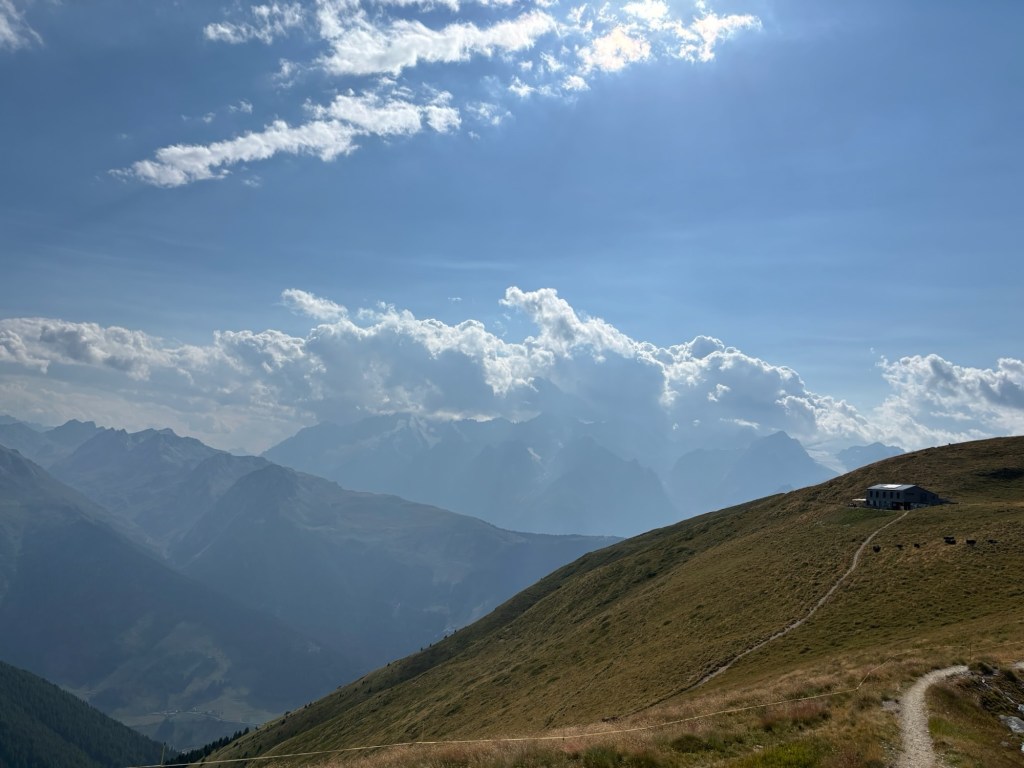
Arriving at Cabane de Mille, we were greeted by its spectacular perch overlooking the valley and the village far below. The views were breathtaking, but the amenities were… rustic. No running water meant no showers, no handwashing, and the toilets were porta-loos. It was a reminder that mountain life is simple—and sometimes a little gritty.
We bunked in a dorm with eight others, including a lovely French group: Sophie, Olivier, Isobel, and Hervé. Each dorm sat together for dinner, which gave us a chance to chat and bond over the day’s hike and the shared experience of roughing it.
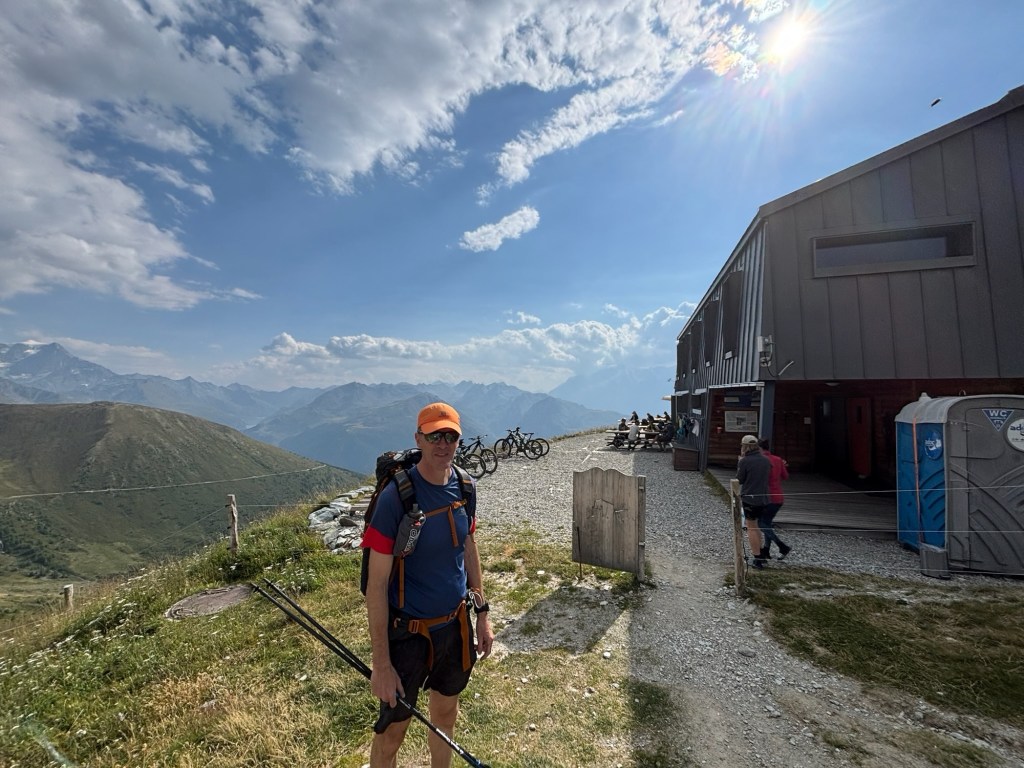
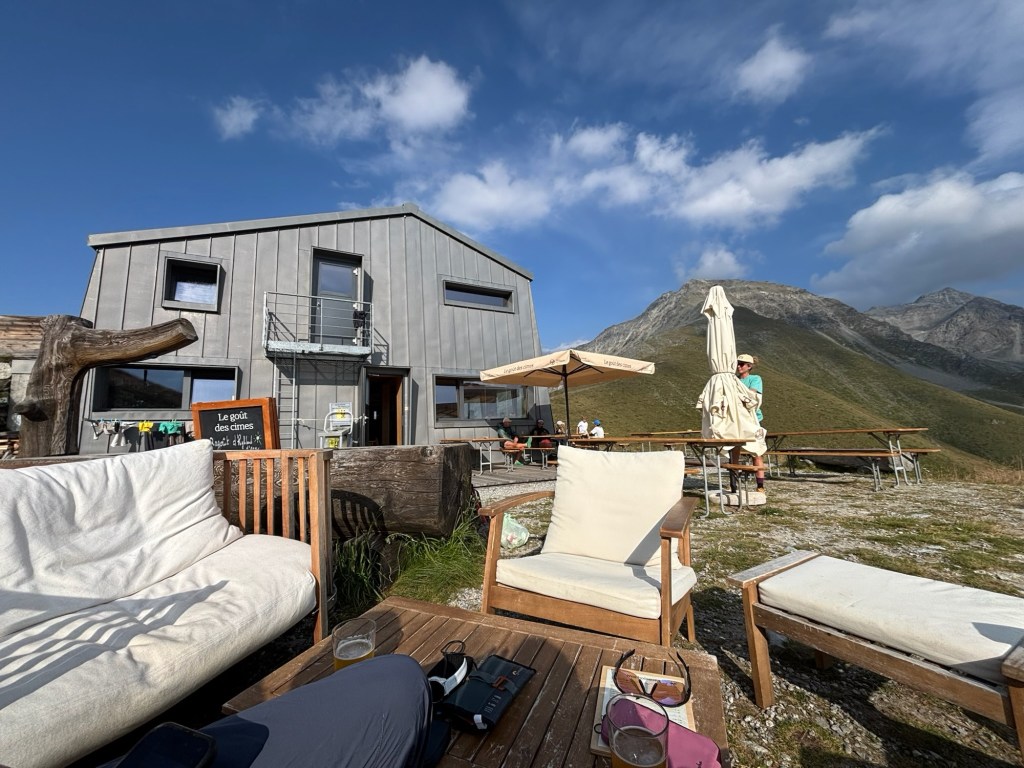
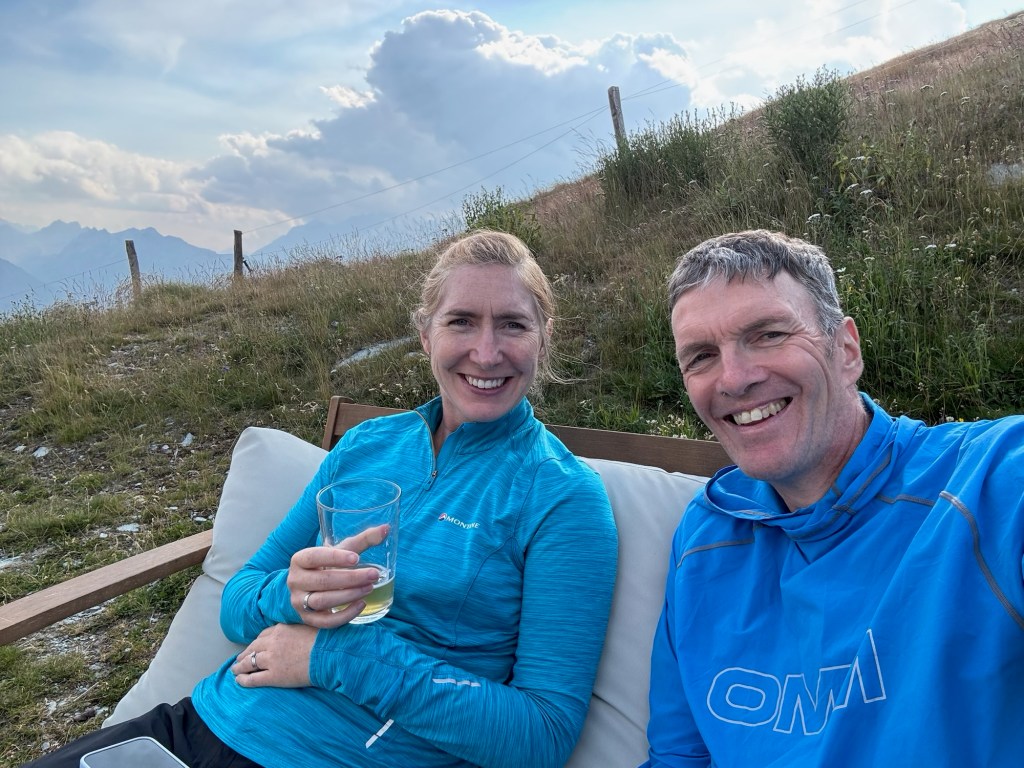
A small hiccup emerged when we discovered our European adaptor wouldn’t work—despite the guidebook’s assurance that most places had moved away from Swiss sockets. I was quietly stressing about how we’d manage to keep our devices charged for the rest of the trip. Thankfully, Sophie kindly lent us hers for half an hour.
Day 2: Cabane de Mille to Cabane de Panossière
We opted for the lower route today, following the official Tour des Combins trail through a picturesque valley dotted with trees and alpine charm. The path was peaceful, and the scenery felt like something out of a storybook.
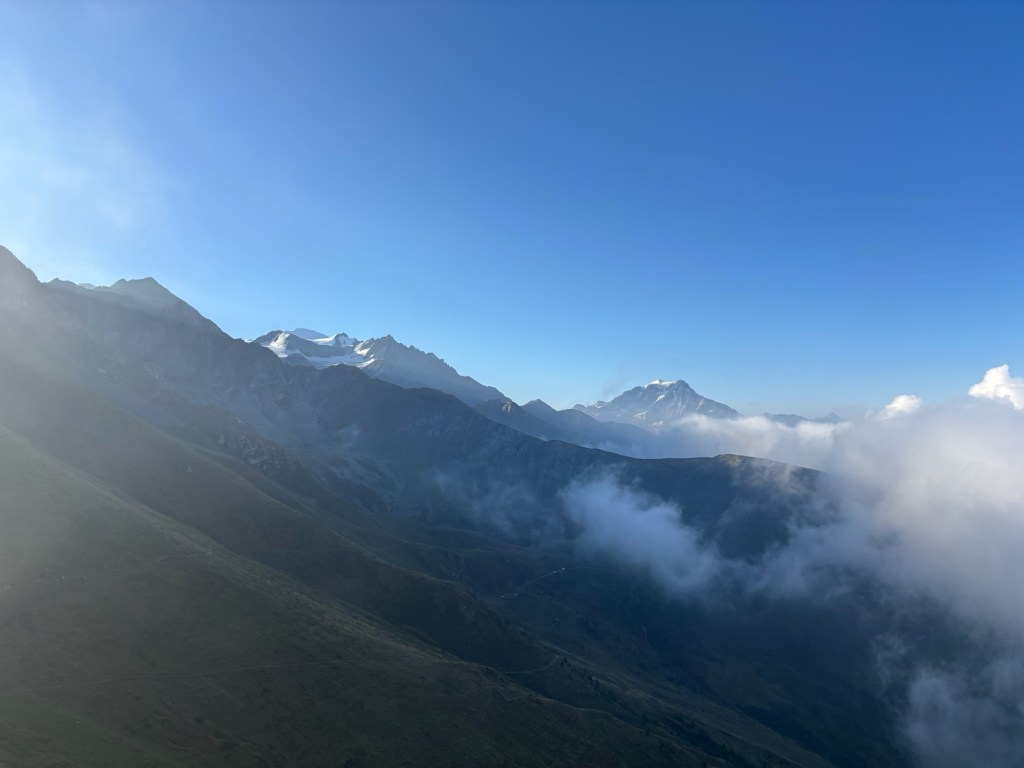
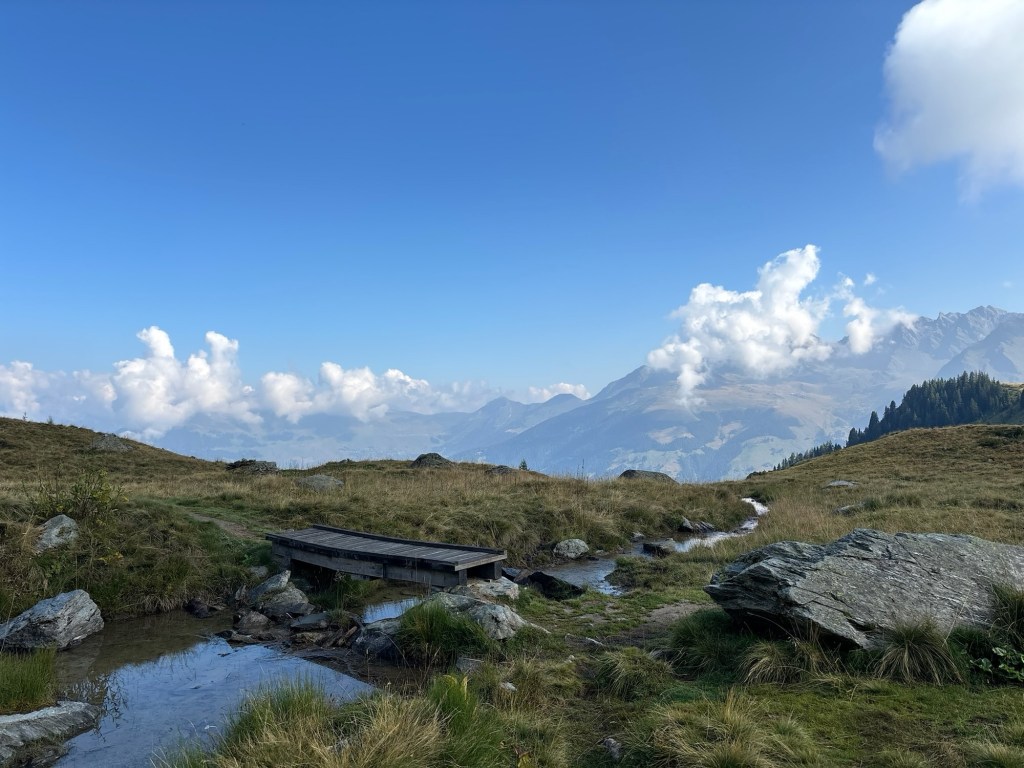
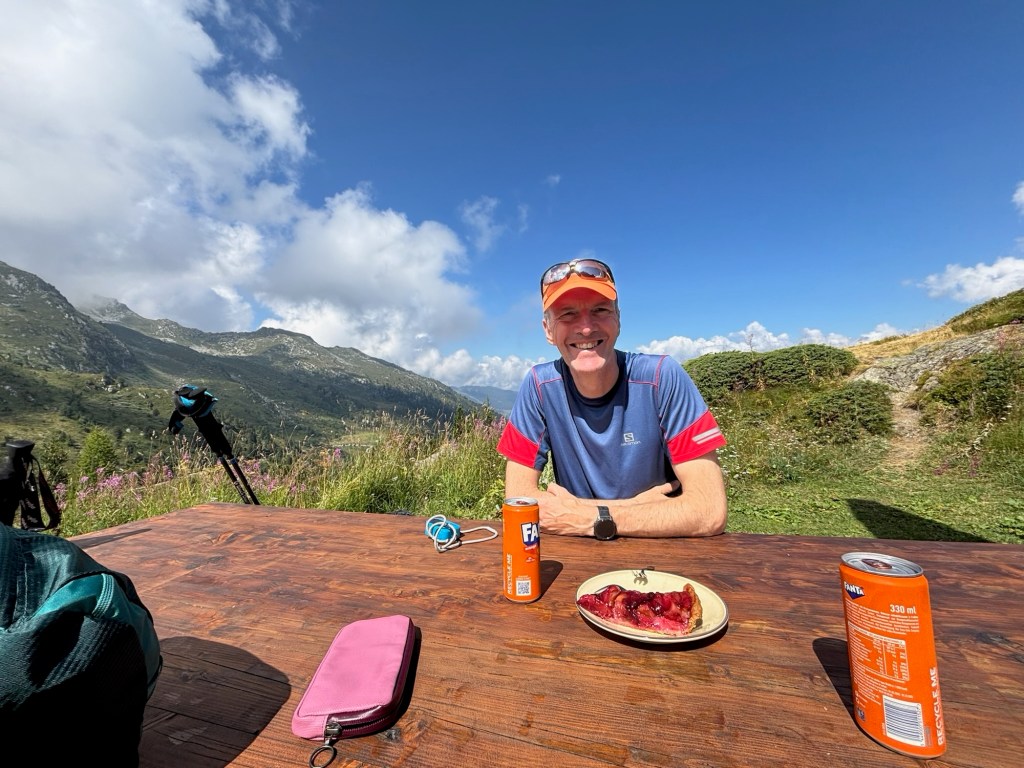
A highlight of the day was our stop at Cabane Brunet, a beautifully situated refuge where we treated ourselves to fruit tart and Fanta. It was so idyllic that we made a mental note to return one day and stay a while longer.
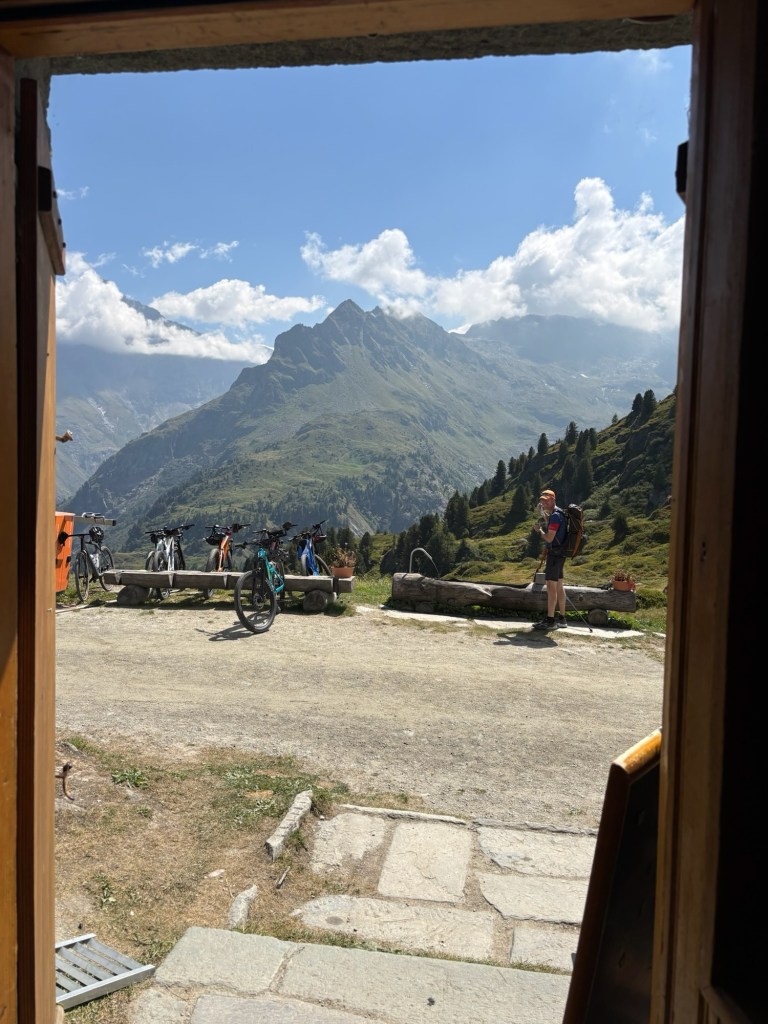
Throughout the day, we kept crossing paths with Sunna, a Dutch woman who we had met on the train at Martigny on the way out, she was busy capturing the landscape with her camera. We’d pass her, then she’d pass us—a lovely reminder of the shared rhythm and camaraderie that these kinds of adventures foster.
We crossed a small suspension bridge that we found quite impressive at the time—little did we know what was coming! The trail began to climb steadily toward the glacier, and as we approached, the sheer scale of it was awe-inspiring.
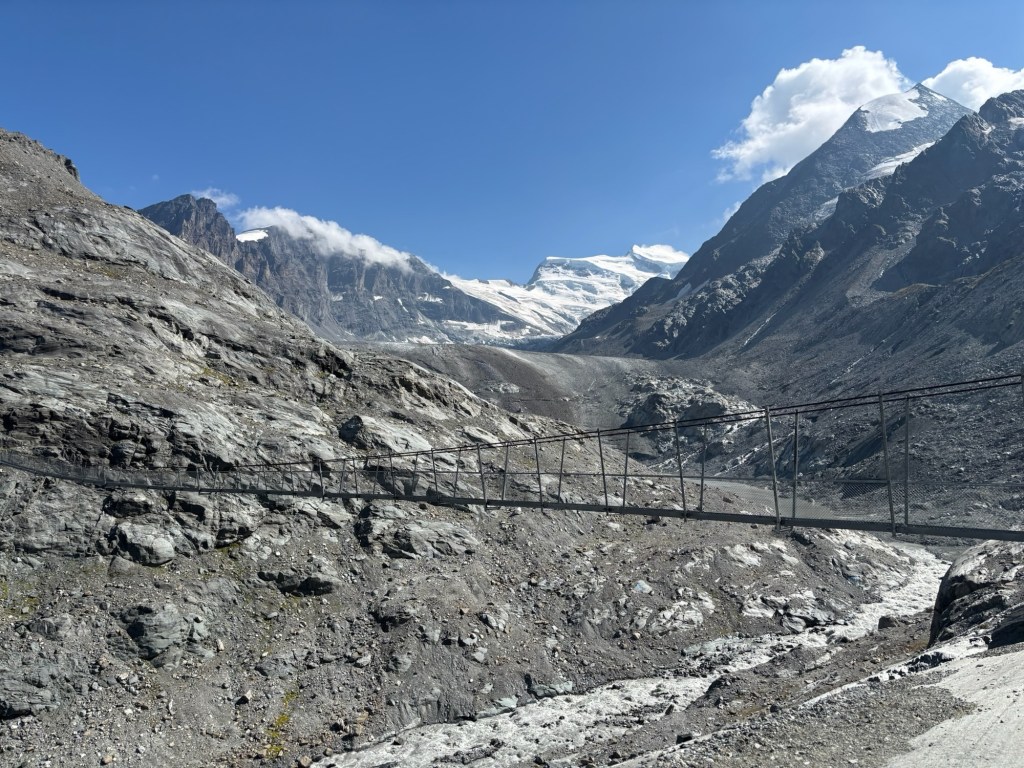
A massive suspension bridge (210m long) now spans the river below the glacier, built to allow hikers safe passage after the glacier became unstable. Crossing it was exhilarating, and from there, we climbed for another half hour to reach Cabane de Panossière.
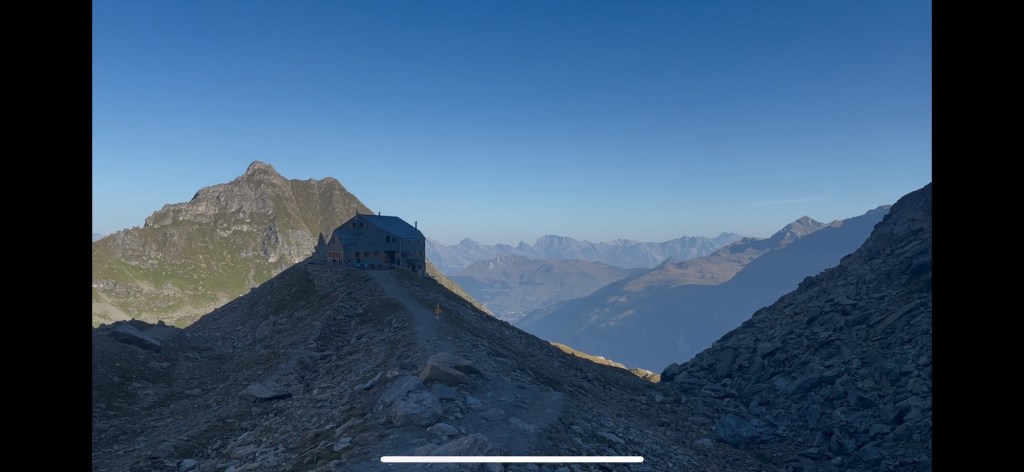
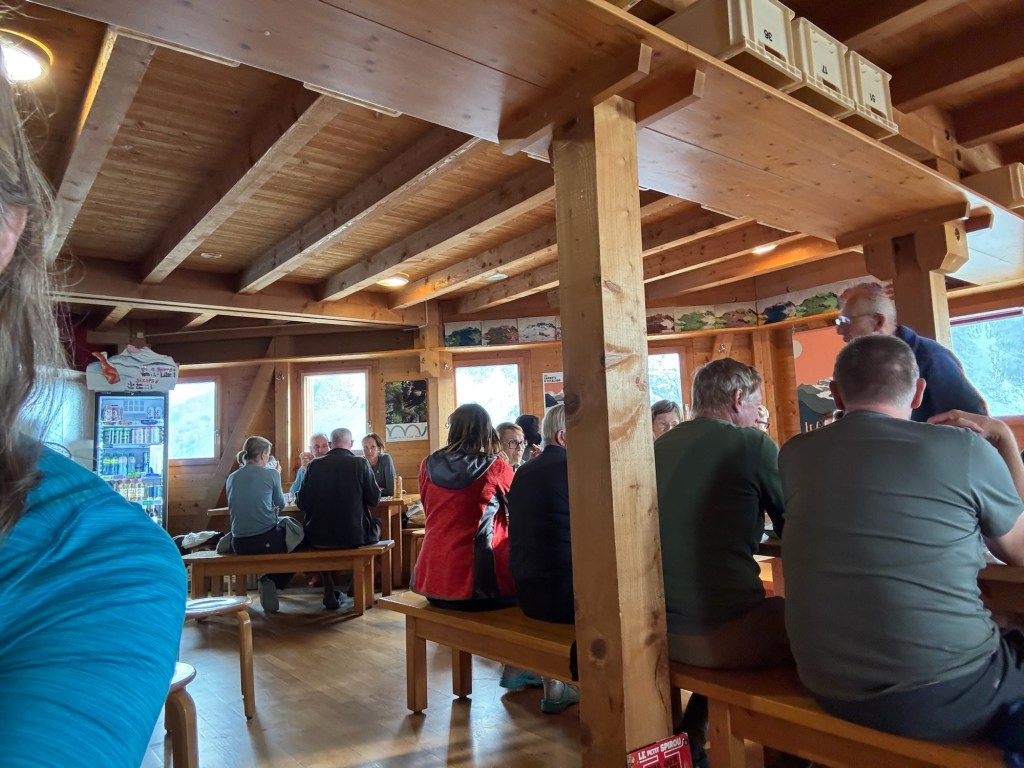
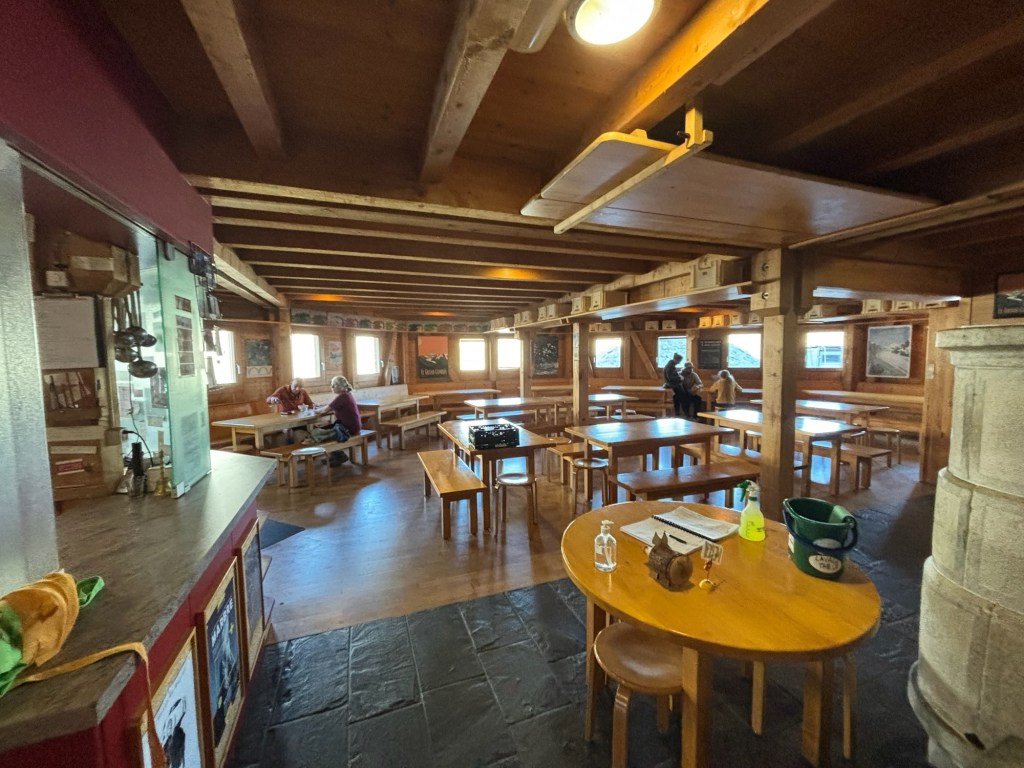
Perched dramatically on the edge of the glacier, Panossière is a stunning spot. After the dry conditions at Cabane de Mille, the warm shower felt like pure luxury. Even just having water freely available to drink was a game-changer. The drop toilets were surprisingly decent—certainly better than some we’d encountered on the TMB!
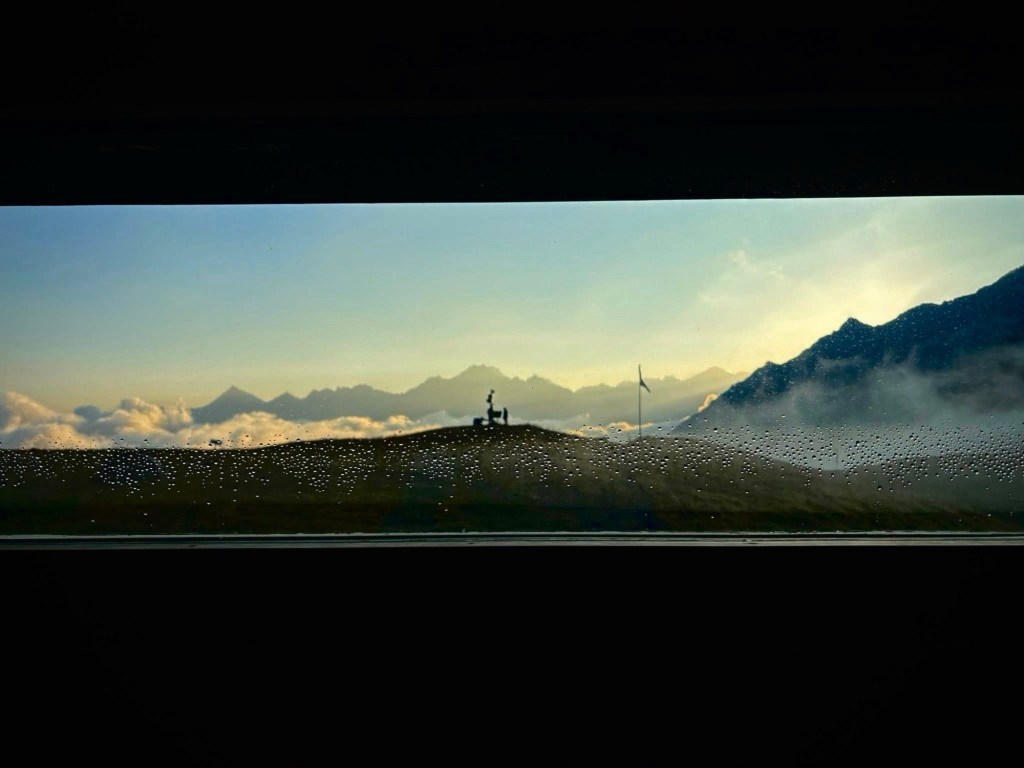
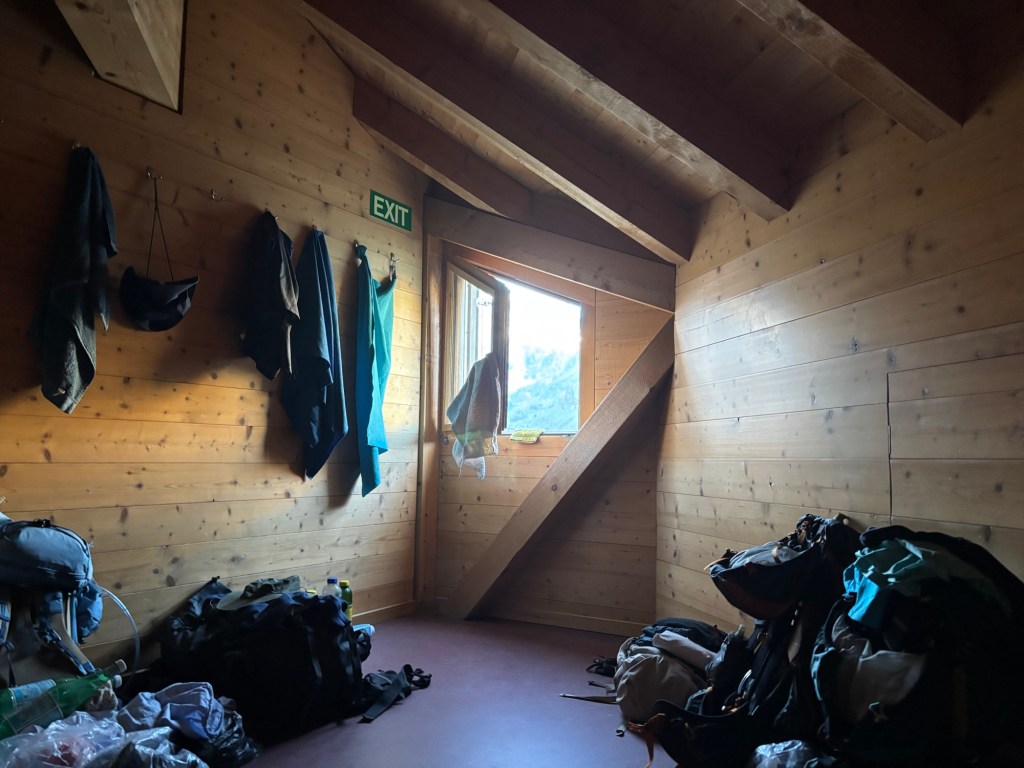
We lucked out with our dorm, getting a slightly separated section that gave us a bit of privacy. The view from our window was absolutely breathtaking—one of those sights that stays with you long after the trip ends.
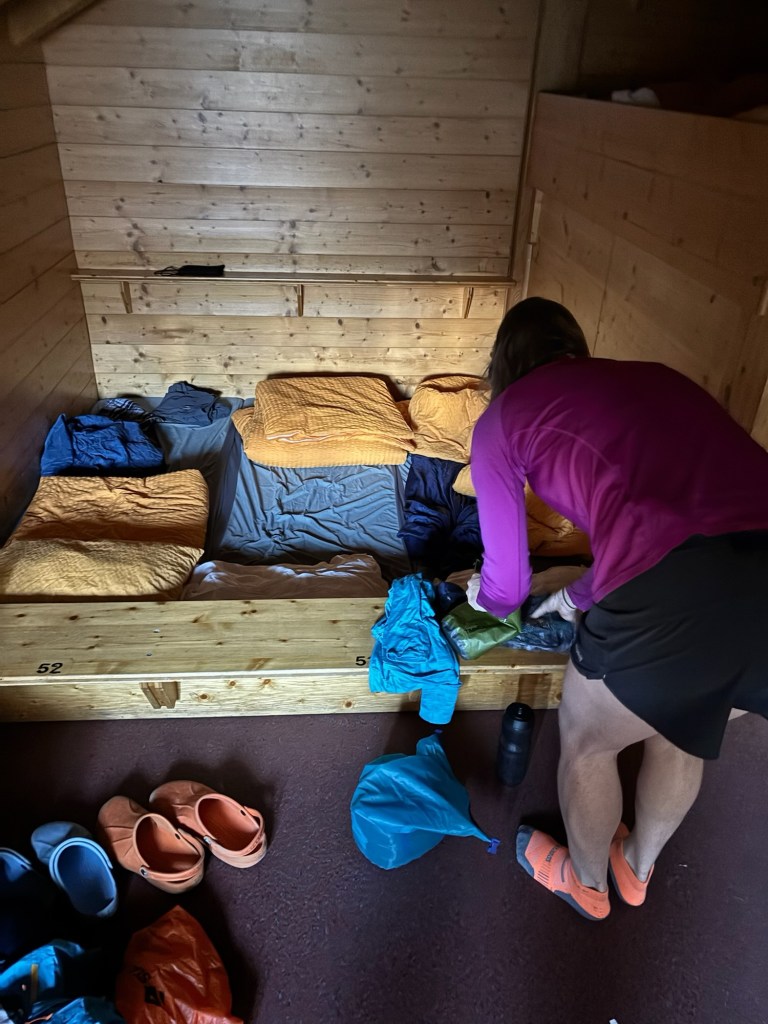

After freshening up, I headed to the bar and asked if they had an adaptor we could borrow. The staff were incredibly kind, handing over the lost property box and inviting us to take whatever worked. Miraculously, we found one that fit our British plug perfectly. I could have kissed the guy! With our charging woes solved, we could finally relax.
Dinner was once again with our French friends—Sophie, Olivier, Isobel, and Hervé—and we ended up in the same dorm, continuing the lovely connection we’d started the night before.



Day 3: Cabane de Panossière to Cabane de Chanrion
We set off from Panossière under clear skies, ready for what would turn out to be one of the most dramatic and physically demanding days of the trek. The climb to the col was exposed and tough, but the reward was walking right alongside the glacier, with the views growing more spectacular with every step.
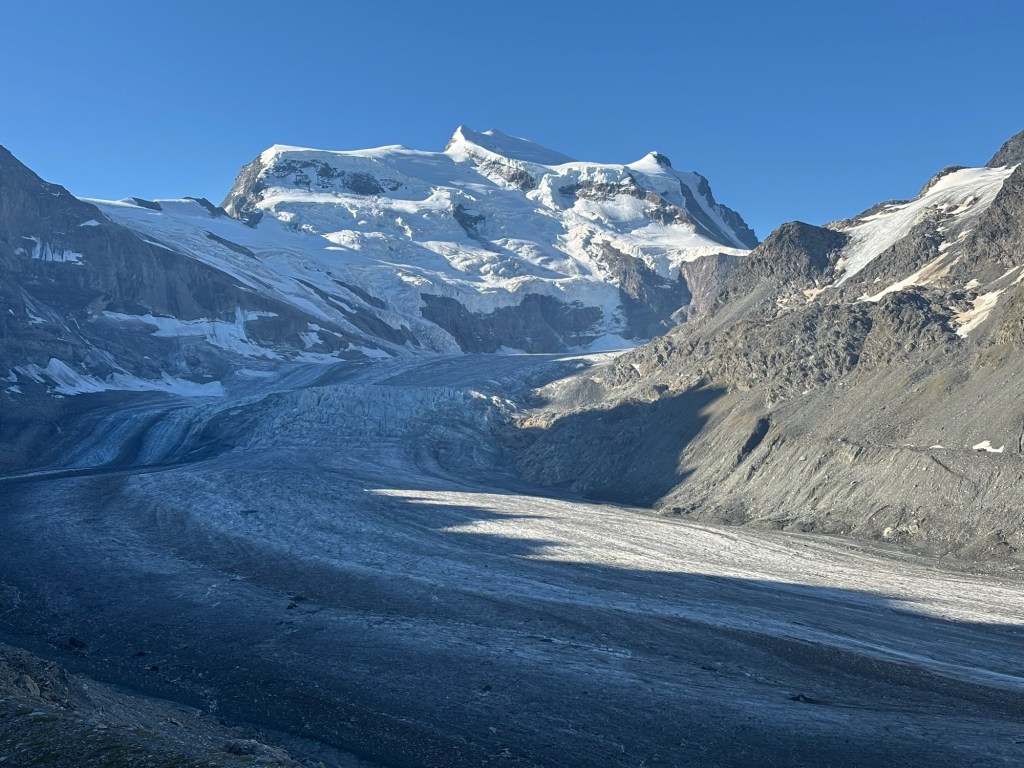

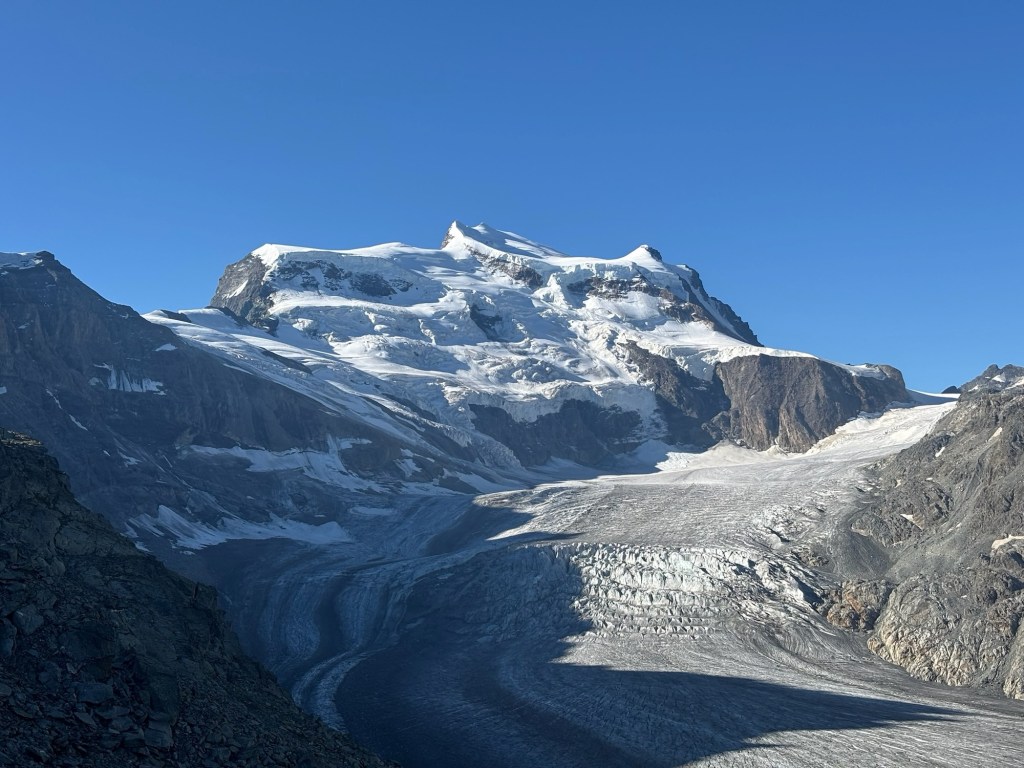

Near the top, we bumped into Sunna again and took photos for each other—another lovely moment of trail camaraderie. After summiting, the descent began through a boulder field, followed by a technical section that required careful footing. Eventually, we reached a pretty little stream and stopped for a snack, just as the dam came into view. It looked deceptively close, but the descent to reach it felt endless.
We found a shaded spot under a few trees where our French friends were having lunch, and gratefully joined them—it was a scorching day, and the shade was a welcome relief. The next section was unexpectedly dramatic: we climbed steep slopes inside two tunnels that led up through the dam itself. Inside, a series of information boards detailed the dam’s construction, which were genuinely fascinating and made the climb feel like part museum, part adventure.
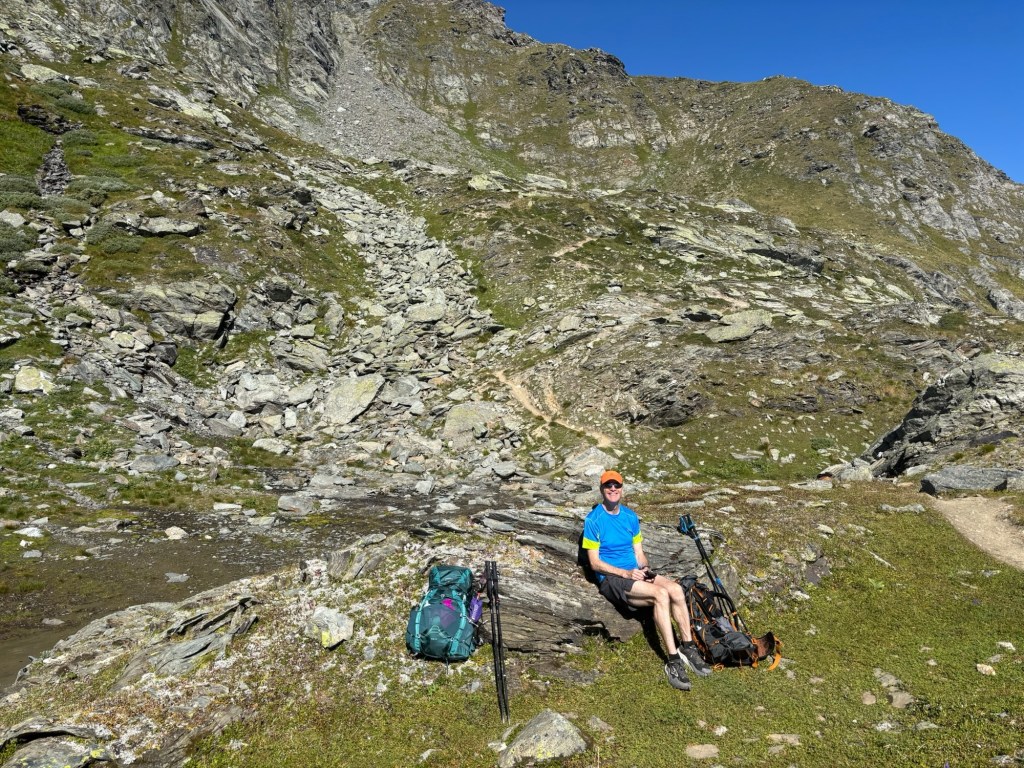
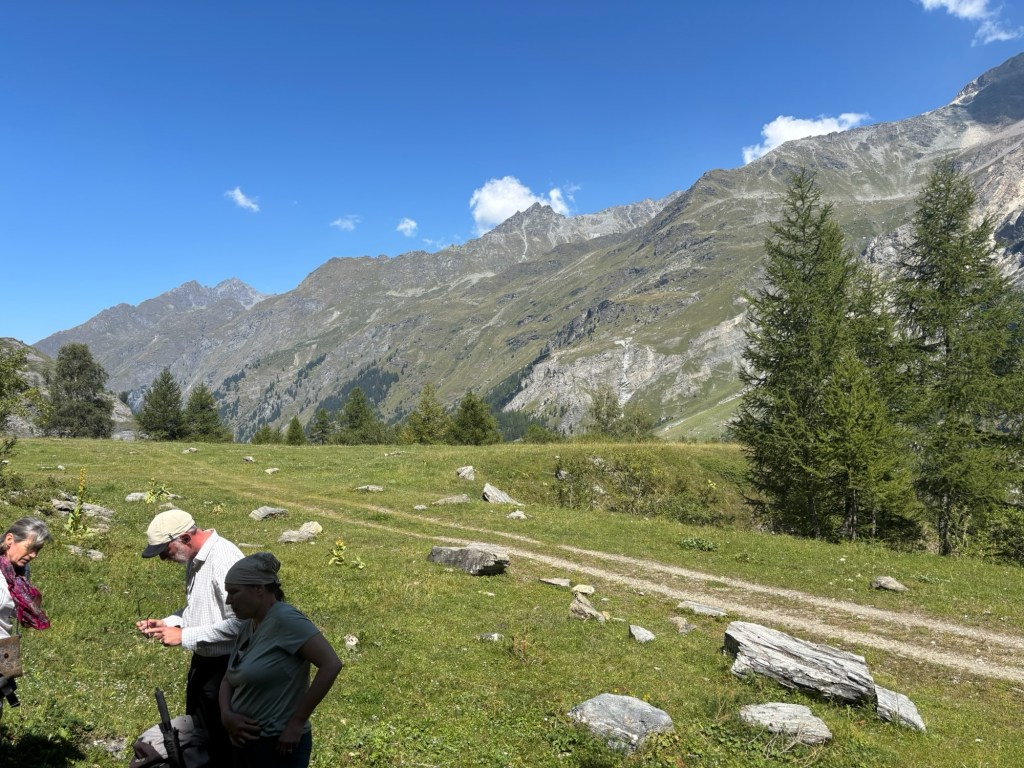
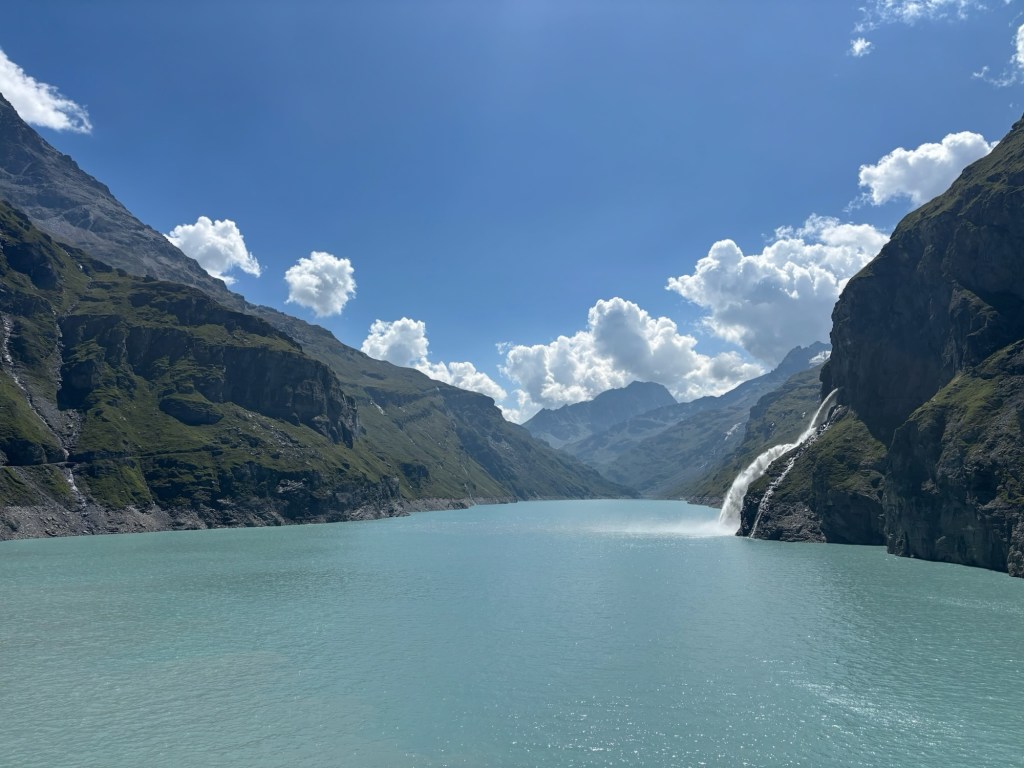

From the top of the dam, the trail climbed steeply again. We passed the remains of an ancient village before joining a farm track that led us gradually to the next col. The climb was straightforward, but the descent was anything but. From the top, it looked like a sheer cliff. Once on it, the path revealed itself as a series of gravelly switchbacks with a sheer drop to one side—definitely a dicey section, and we were relieved to reach the bottom safely.
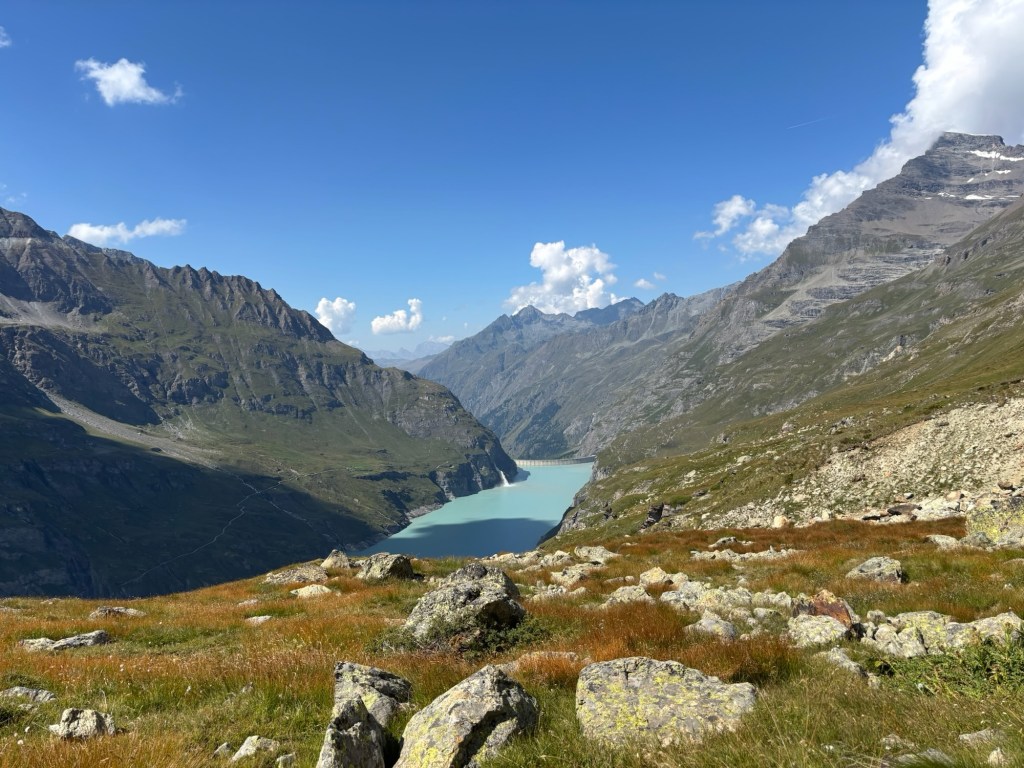
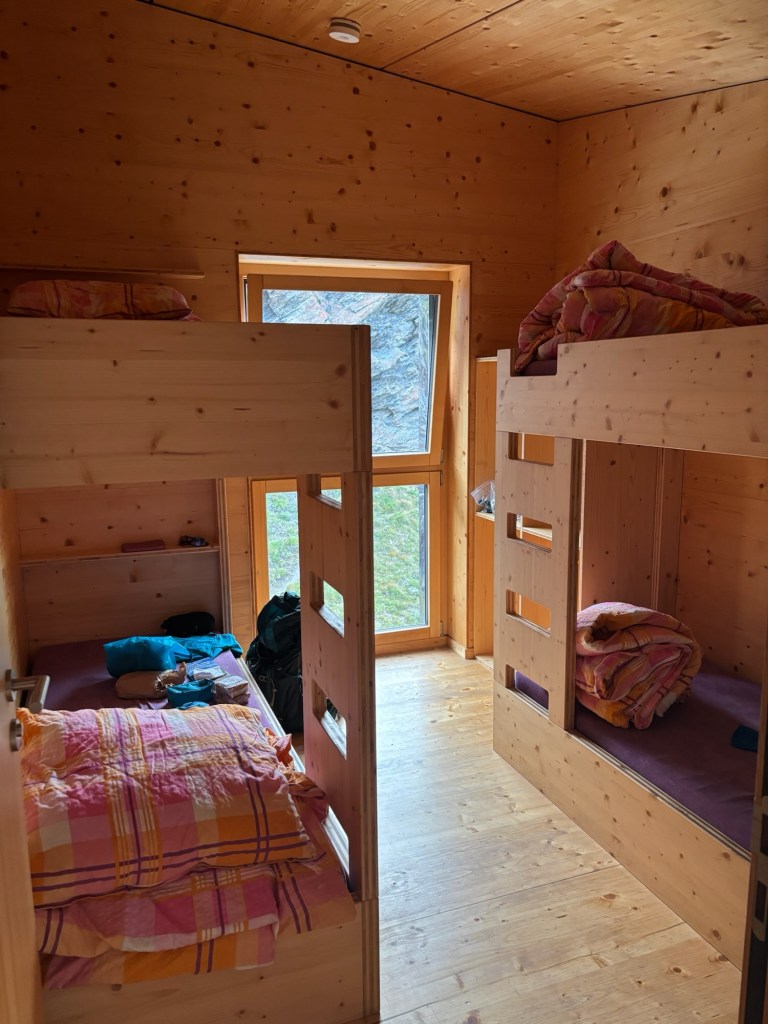
Cabane de Chanrion was a welcome sight. We checked in and received our 7-franc shower tokens—three minutes of hot water, but you could pause it, which felt like a luxury. Our room was cozy, just two bunks, and we were sharing with the other French couple on the same itinerary. They took the top bunks, which we were very happy about!

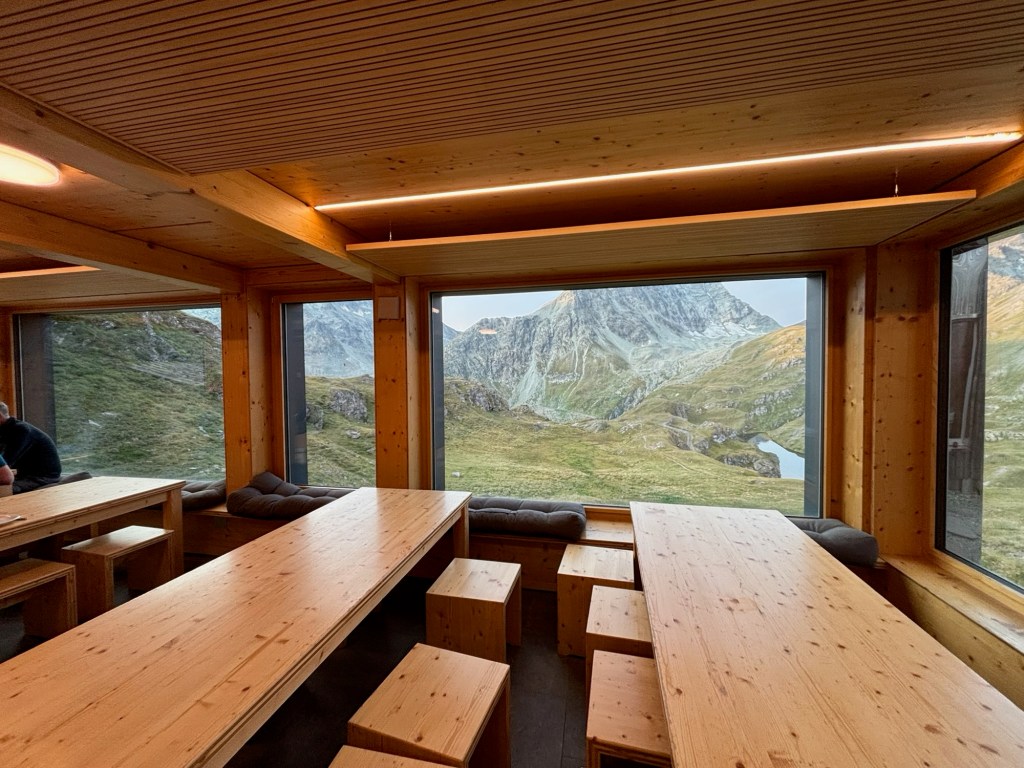
There was only one shower each for men and women, so things moved slowly, but the atmosphere was relaxed. Dinner was a highlight: we shared a table with two Swiss couples and Banashri, an Indian woman living in Lausanne. The conversations were fascinating—Banashri is a computer programmer, so she and John had a great tech chat.
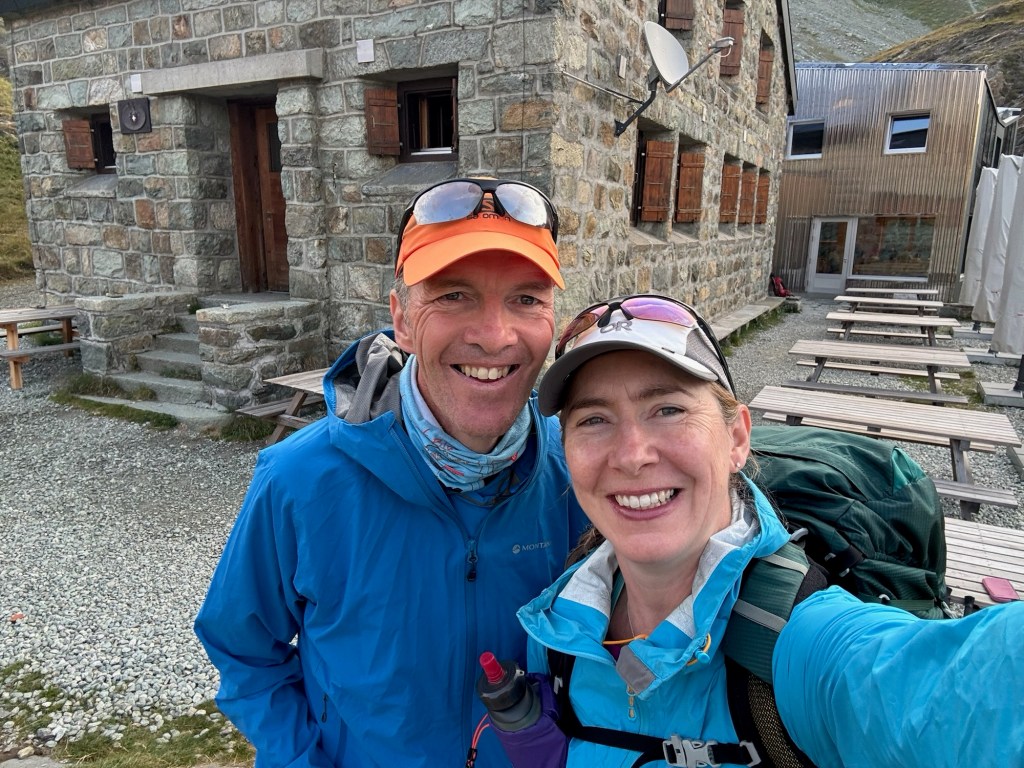
One of the Swiss gentlemen, who we guessed was in his late seventies, asked where we were from. It turned out he had volunteered at Holthorpe Hall 55 years ago—the same place John now visits for work meetings! He even had a touch of an East Midlands accent, which was surreal. He told us he still keeps in touch with a Dutch friend he met back then, and that he and his wife still go trekking every week. It was incredibly inspiring—a real lesson in how to stay young and active.
Day 4: Cabane de Chanrion to Rifugio Champillon
We had breakfast at 7 a.m., by which time most people had already set off. It was going to be a long day, with no resupply points or easy exits, so an early start was essential. Chanrion, like all the mountain huts on this route, was set in a dramatic bowl surrounded by towering peaks. The morning began with a descent to a river feeding into the lake we’d crossed via the dam the day before. From there, we climbed steeply past a mobile milking van and through a herd of cows—complete with all the mess that entails! 😂
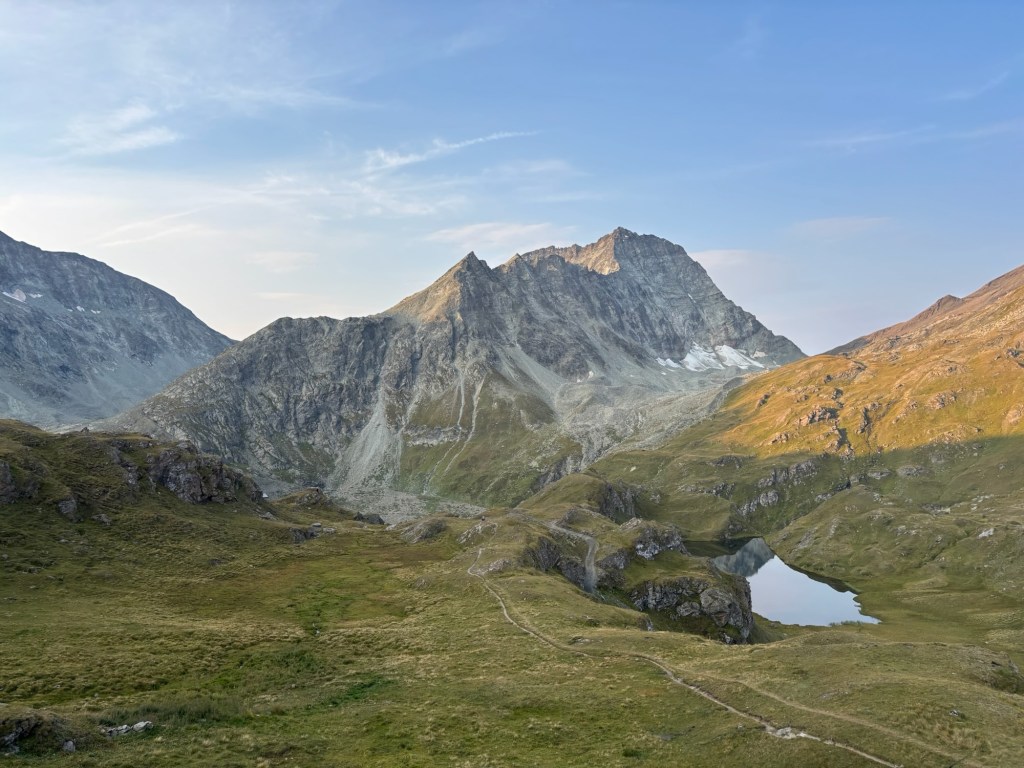
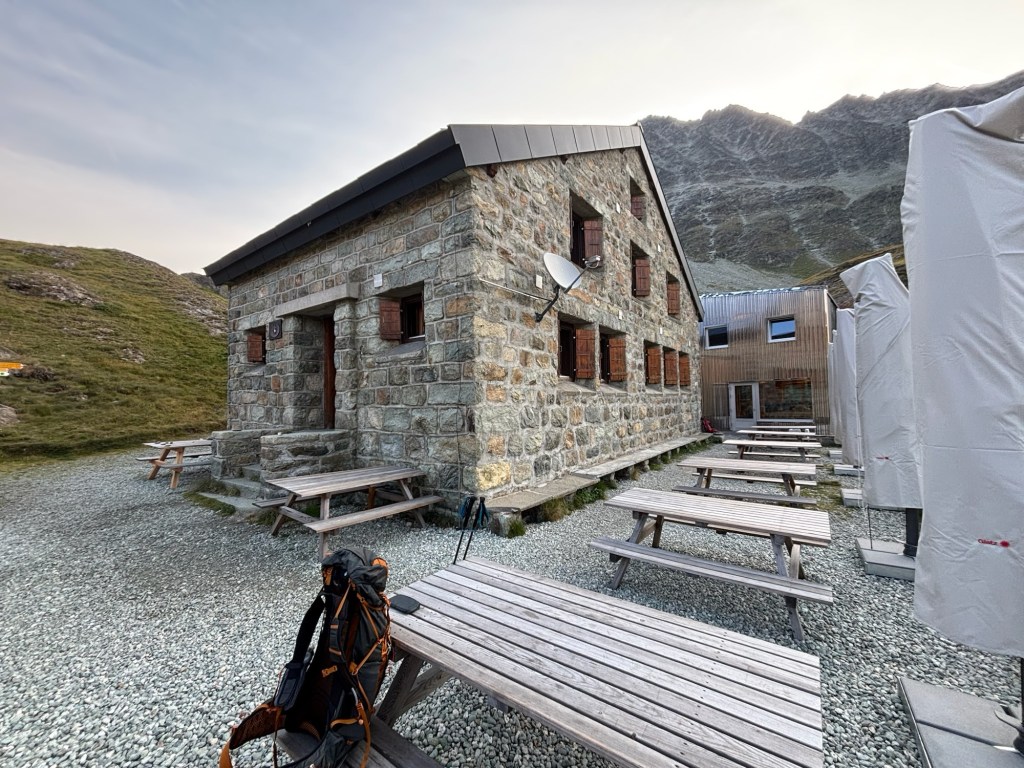
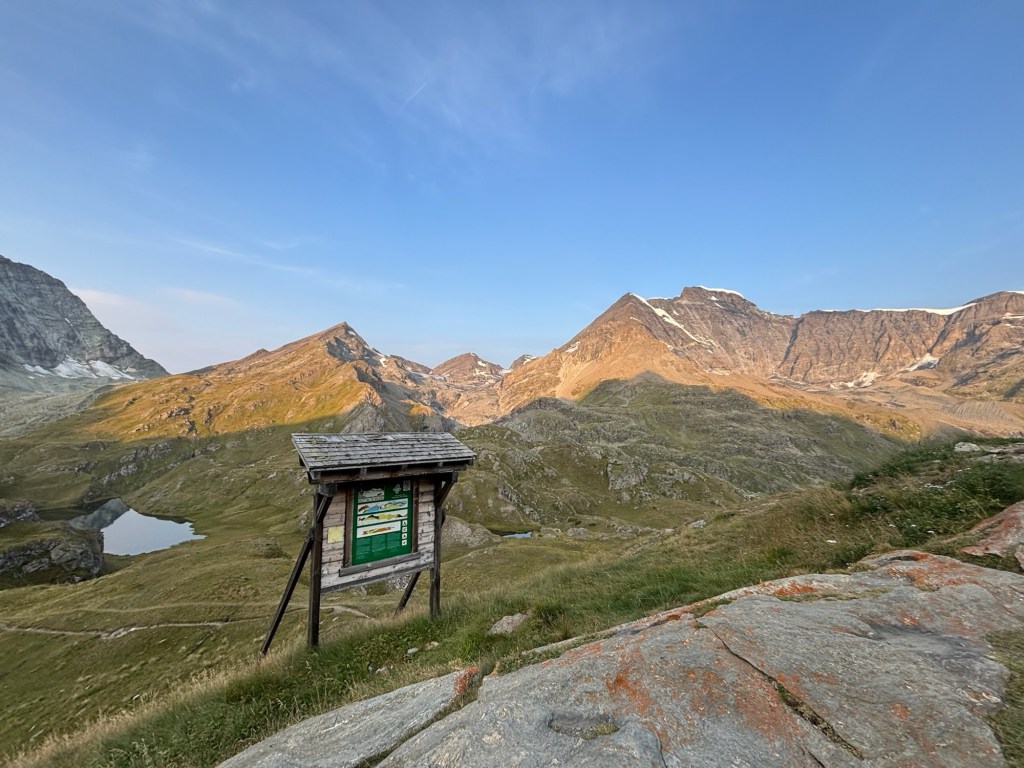
The climb eased off and became quite pleasant, with views opening up toward the lake. We could see other groups from the hut dotted along the trail, all taking breaks, so we joined in. Snow was visible at this point, adding to the alpine atmosphere. At the col, we encountered scientists conducting land surveys and a camera monitoring for large predators—slightly unnerving!
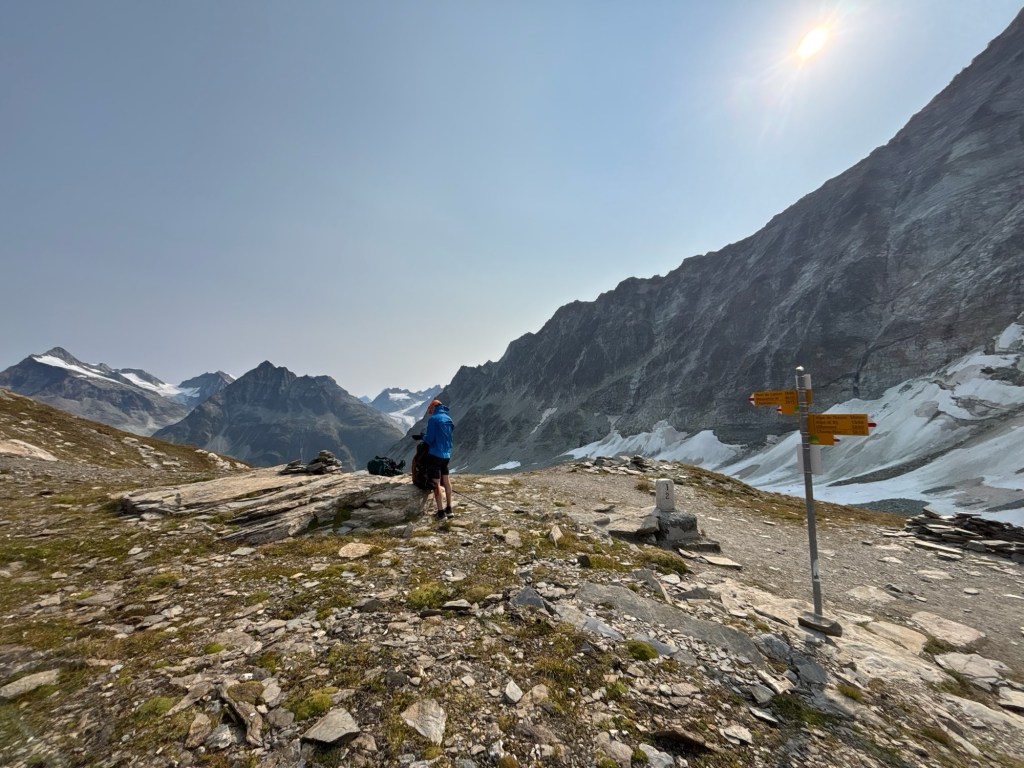


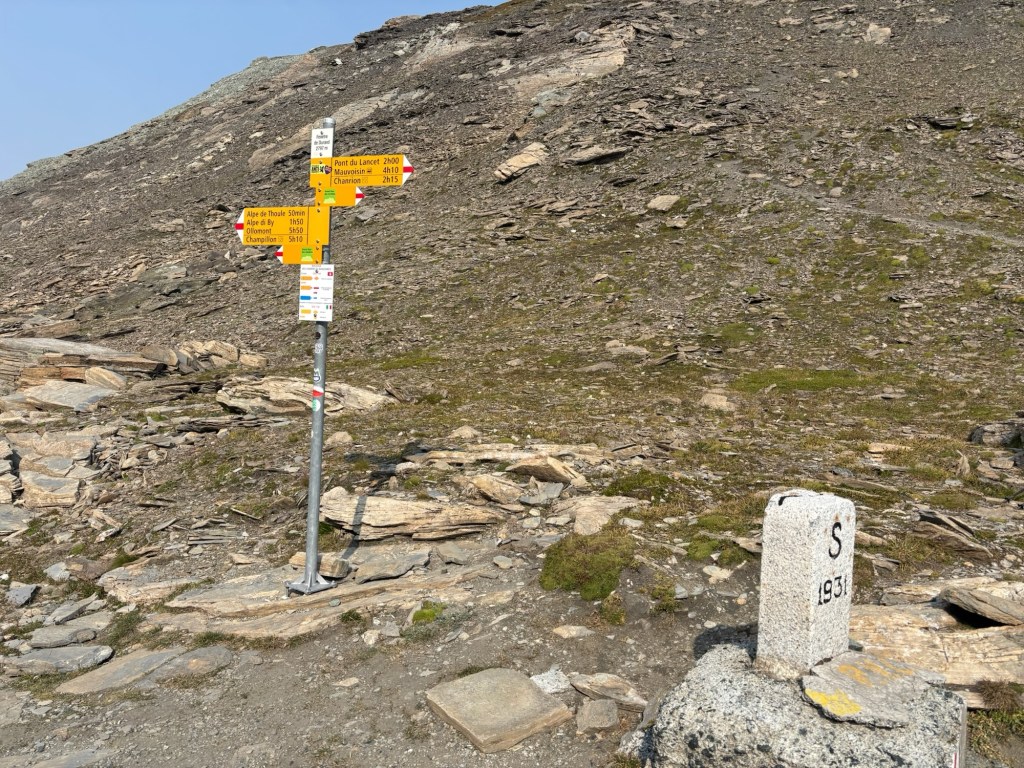
The descent into the next valley was gentle and reminded me of the Langdales. After navigating some rocky terrain, the valley opened up and we walked along a farm track. We passed our French friends having lunch and stopped ourselves a little further on, though shade was scarce and we ended up perched on some uncomfortable rocks.
As the track curved around the valley in a horseshoe, marmots began to appear—tame and entertaining. We bumped into the Dutch family again before turning off for a steep climb to a higher track that followed a man-made underground watercourse. The views were stunning, and walking on the flat for an hour at elevation was a real treat.
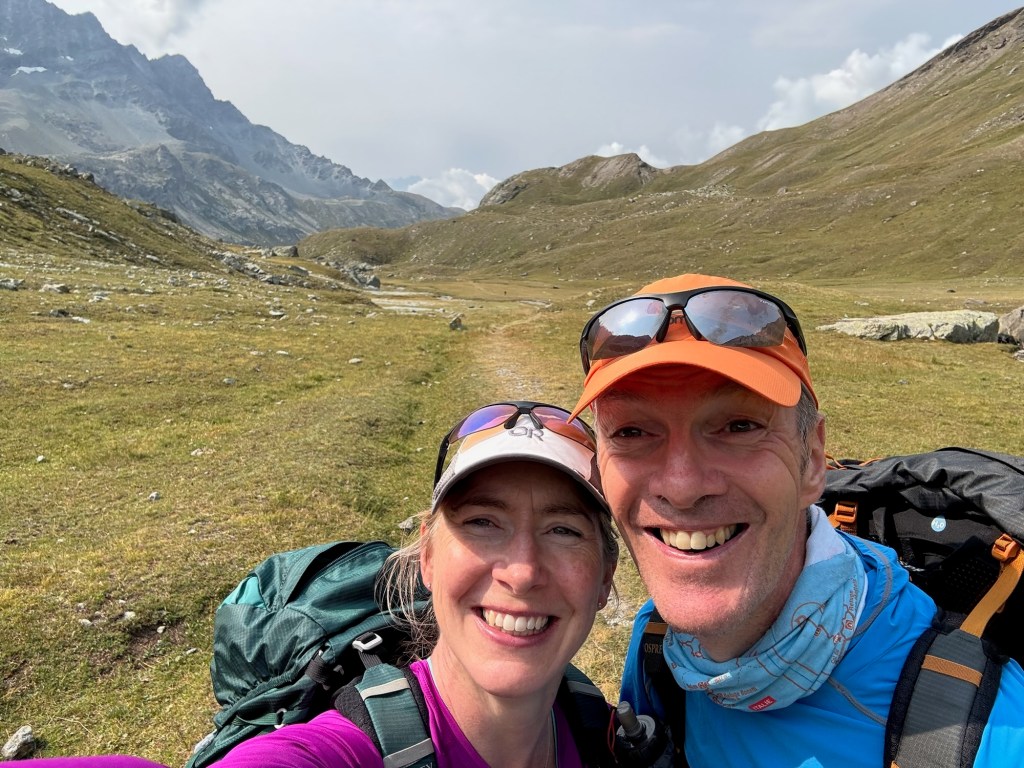
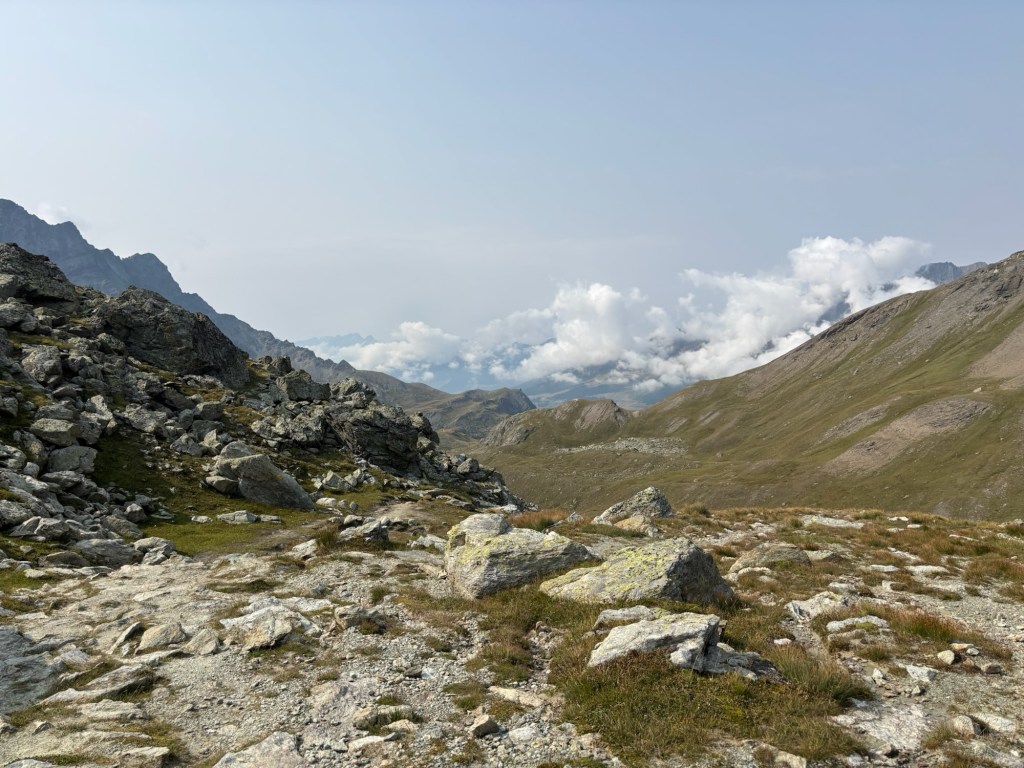
But then came the real adventure.
The track had partially collapsed, and ropes had been installed to help hikers navigate the exposed section. One part required hugging a protruding rock face, placing feet carefully on a narrow ledge while holding onto slack, shifting ropes—right above a 100+ metre drop. John wasn’t sure he could do it, but he handed me his poles and bag, and managed to get around. I passed his gear across and followed. It was nerve-wracking.
Just as we thought we were through the worst, we reached a narrow tunnel with a metal mesh floor, tricky to navigate with a rucksack. Then came the “bridge”: a single 25cm-wide wooden beam spanning a 2m gap over a 100m drop, with a disconnected handrail. I crossed first, side-stepping with my back to the drop. John opted to sit and edge across. I then went back to retrieve his bag. Just as we finished, the Belgian group arrived—we warned them about the handrail and moved on.
Soon after, we saw a barricade preventing access to the bridge from the other direction. A shame there wasn’t one on our side! We caught up with the Swiss couple from the previous night—remarkably, they had crossed the bridge too! They’re members of the Swiss Mountain Hut Association and said they’d report it. Later, we swapped stories with the Dutch family, all of us still buzzing from the experience.
We were hoping for a calmer end to the day. Nearing the final climb to the Rifugio Champillon, we found a grassy bank for a cake break. From our elevated spot, we spotted our French friends below—they’d taken a few wrong turns, which we’d noticed from above!
The final climb was brutal. We took it slow, arriving just after 16:30—nine hours after setting off. The rifugio had a completely different feel from the Swiss huts. Now in Italy, the atmosphere was relaxed and welcoming. We were shown to our room and discovered we had a private bunk room—a magical surprise after days of dorms!
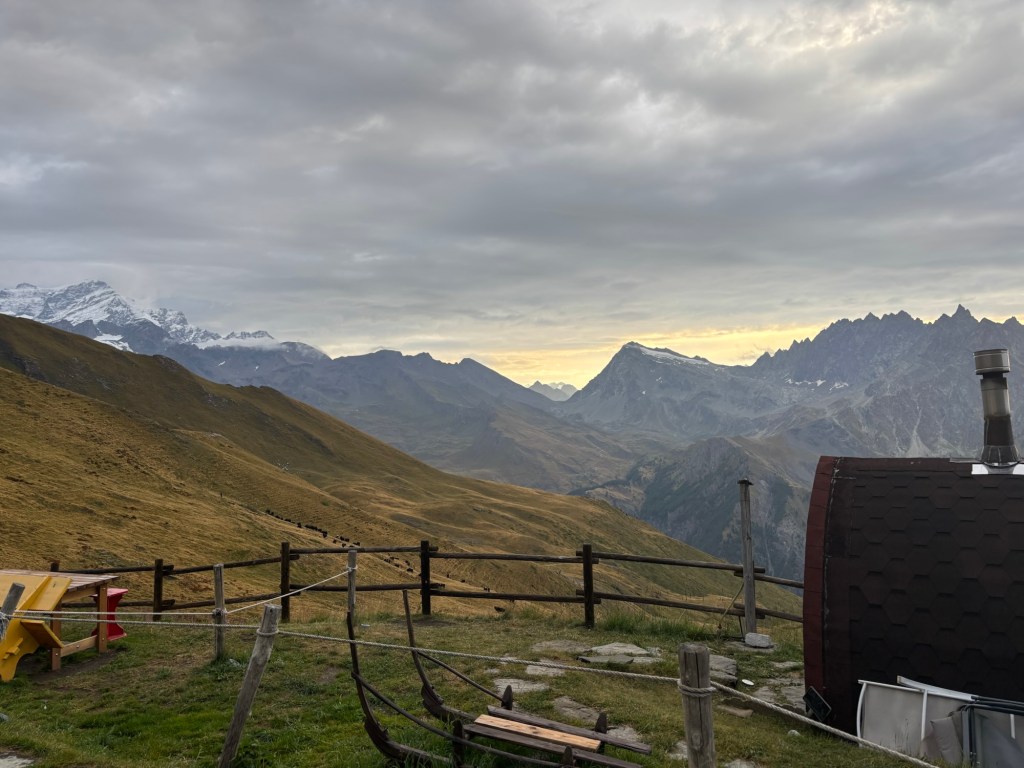
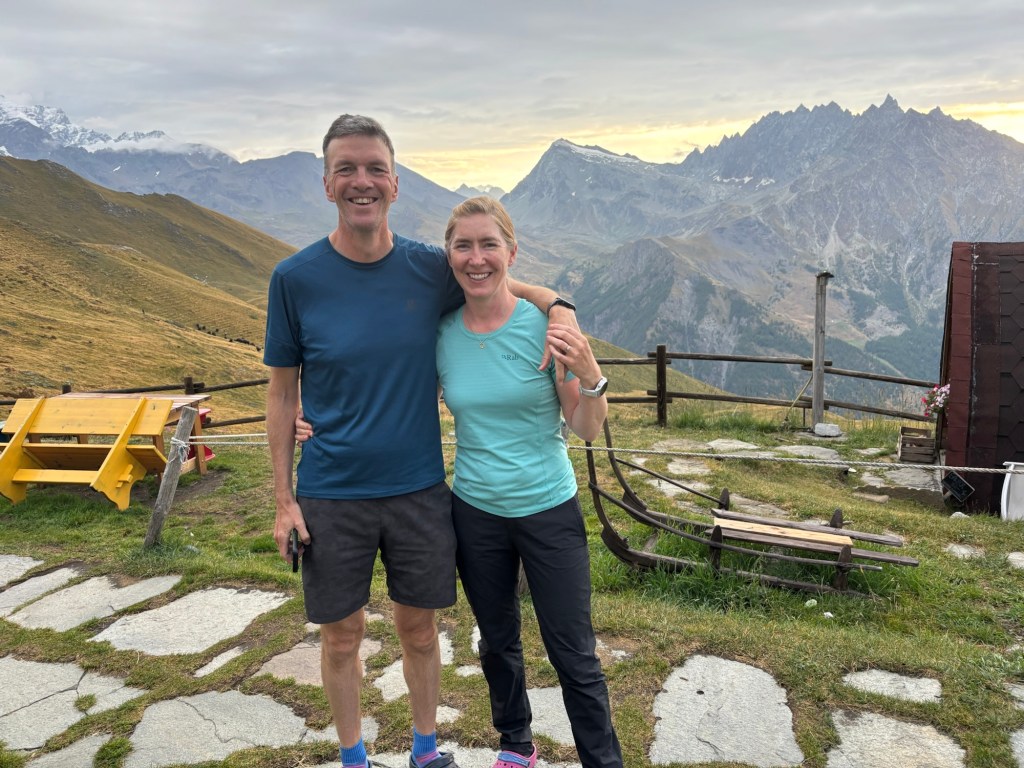

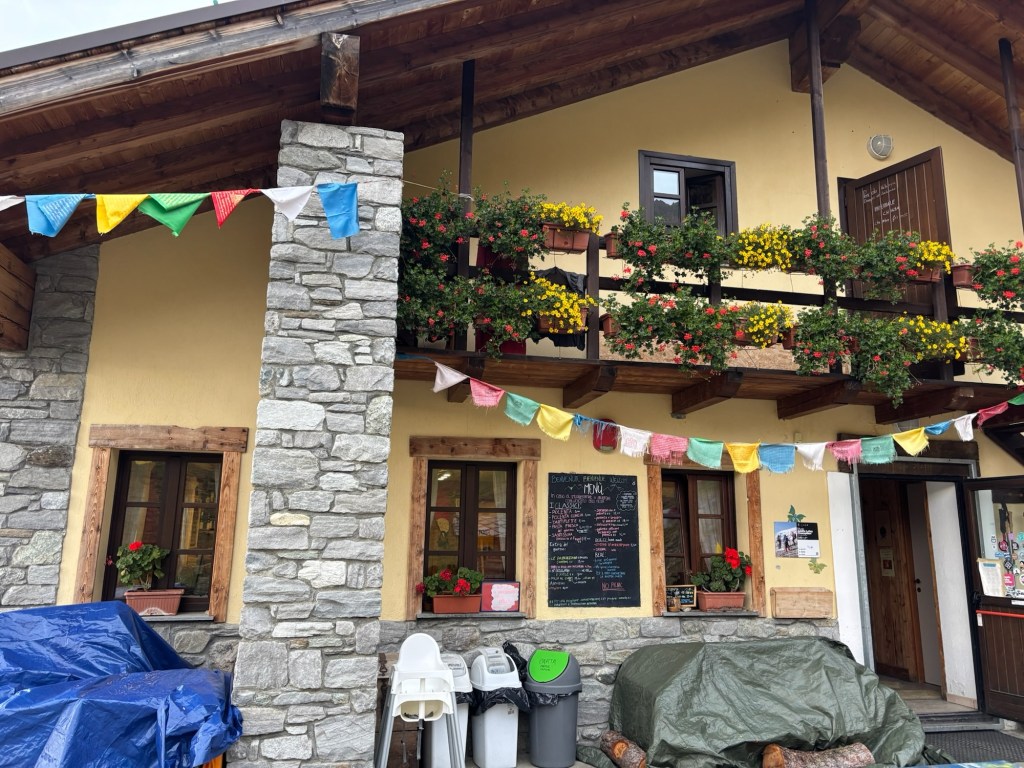
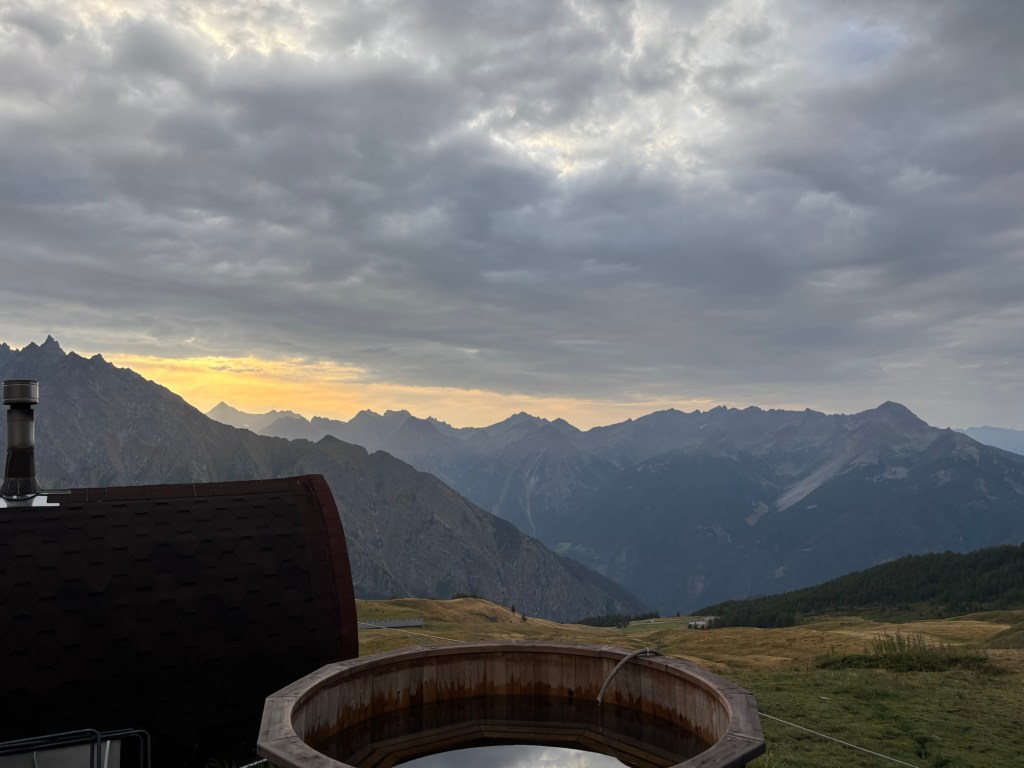
Unlimited hot showers and a lie-down were just what we needed. John was feeling tired, and not long after we arrived, a big storm broke out—thunder overhead and torrential rain. We were lucky to be indoors.
Dinner wasn’t until 8 p.m., but it was worth the wait. A generous pasta starter was followed by polenta and sausage casserole, bread, dessert (a sweet panna cotta-like treat), and a carafe of red wine. After the relatively small portions at the Swiss huts, this felt indulgent and comforting.

After dinner, they shared the Wi-Fi password and gave us info about buses and taxis from the next village. With thunderstorms forecast for tomorrow, we were concerned about climbing another pass in bad weather. But for now, we were warm, dry, well-fed, and tucked into our own room for a great night’s sleep.
Day 5: Rifugio Champillon to Grand Saint Bernard Pass
We had breakfast at 7 a.m. and set off with our French friends, knowing it would be our last day together. The forecast warned of rain and possible thunderstorms, and the guidebook described the descent from the col as technical—I was a little apprehensive.
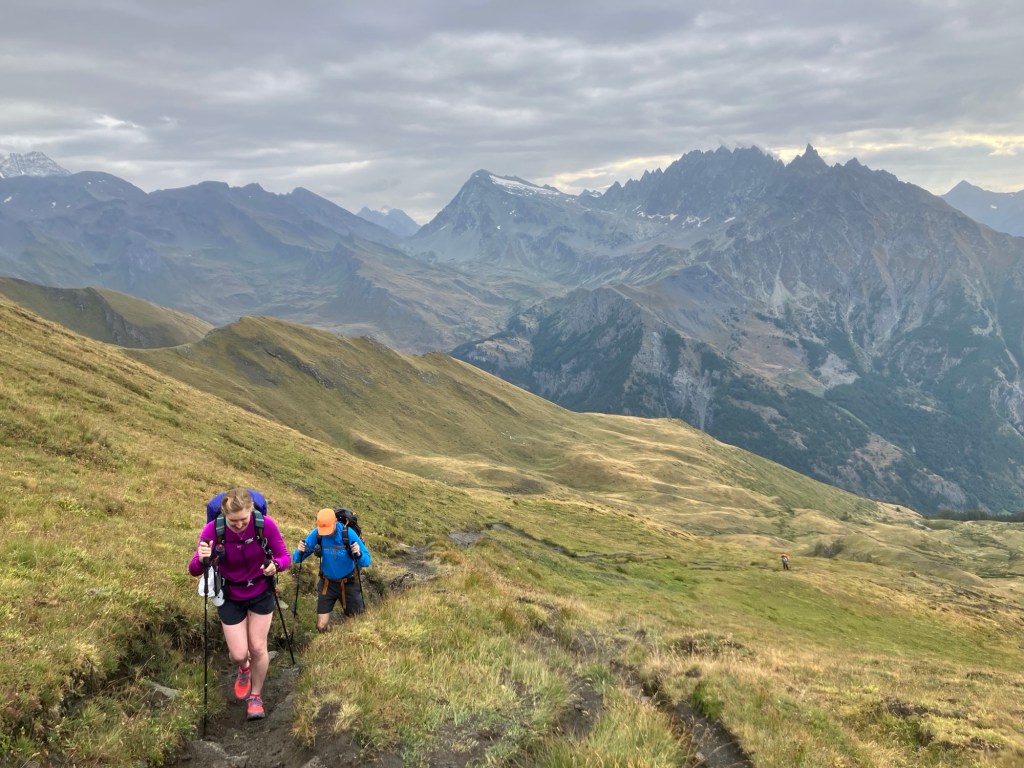


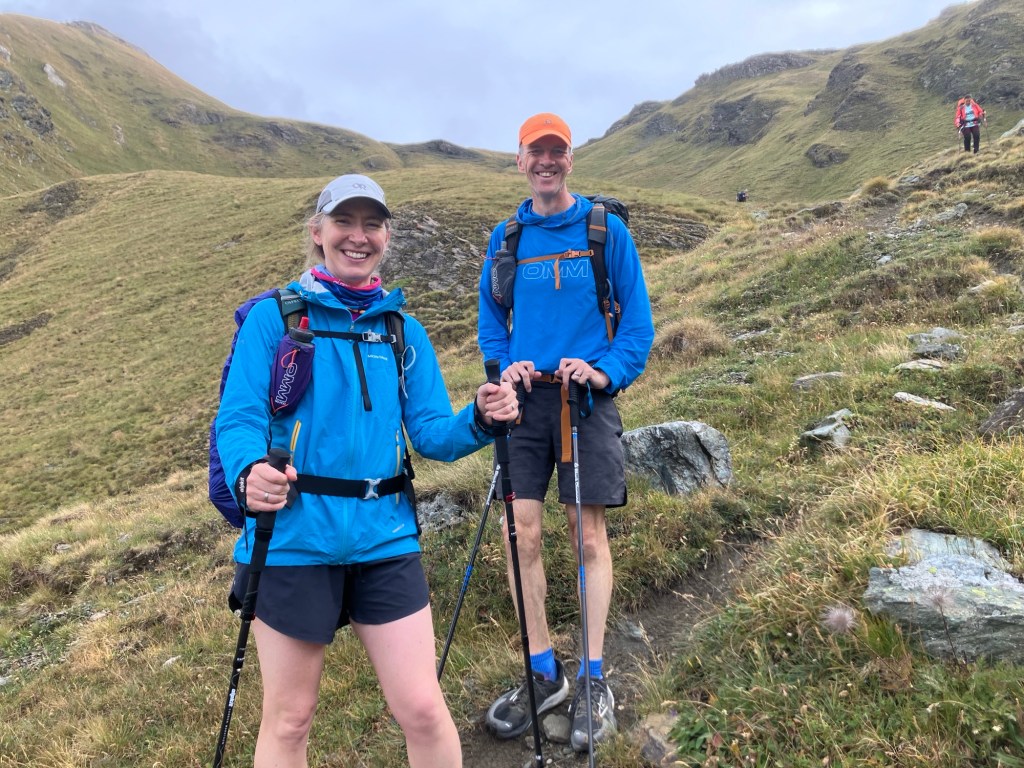
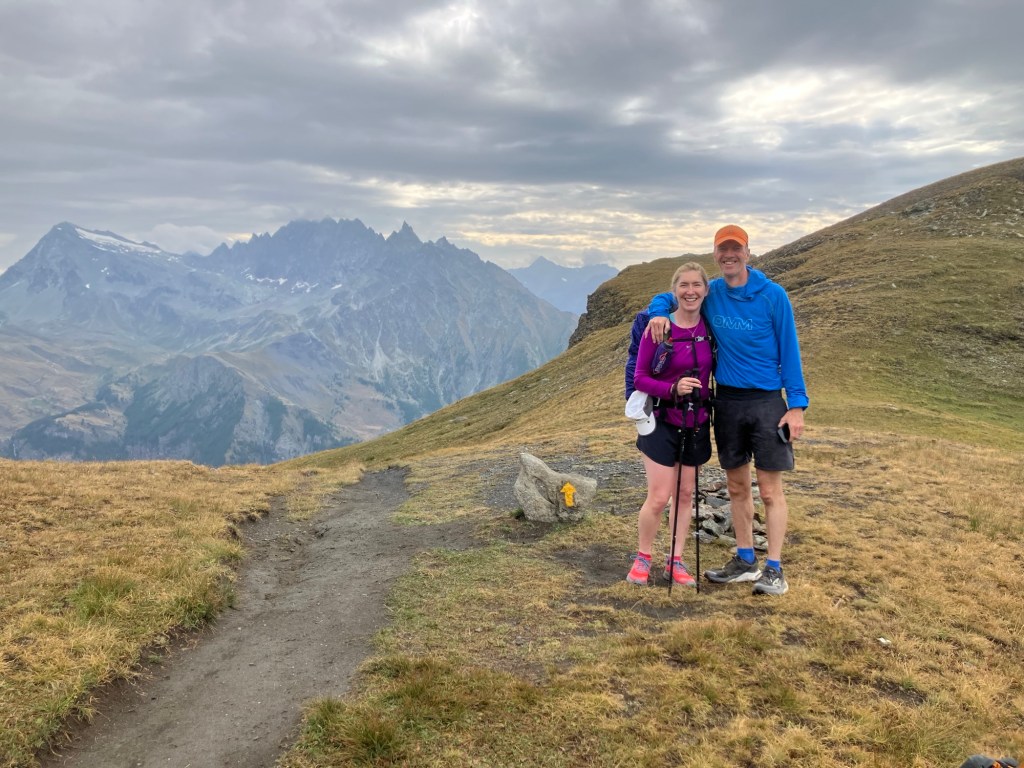
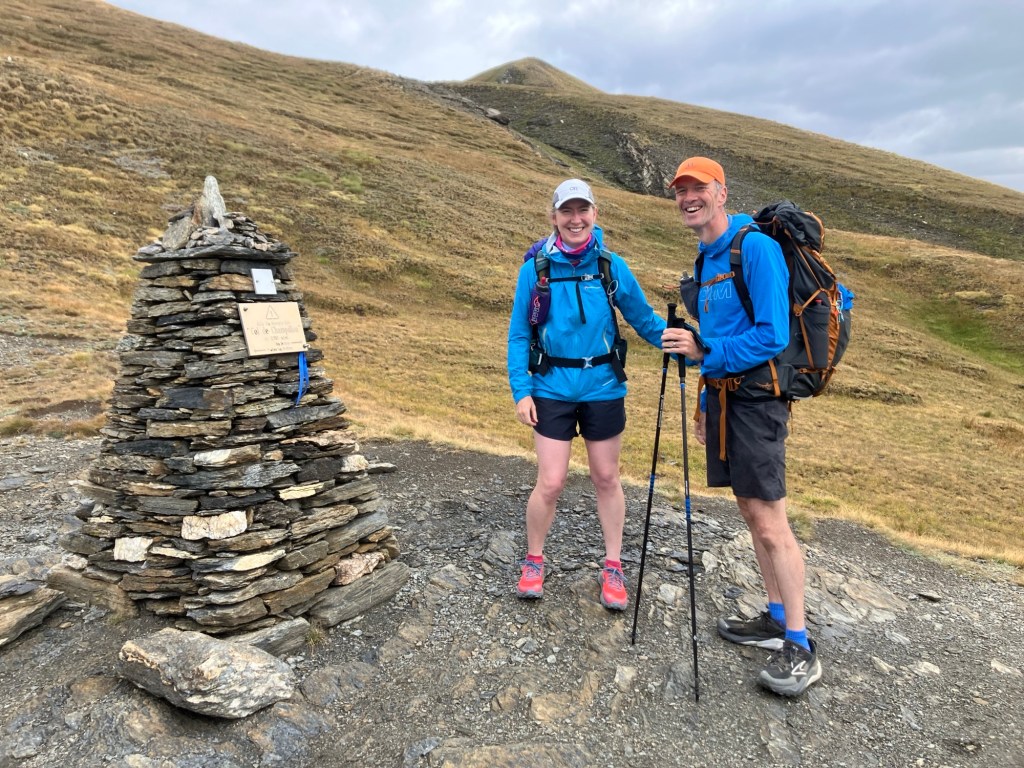
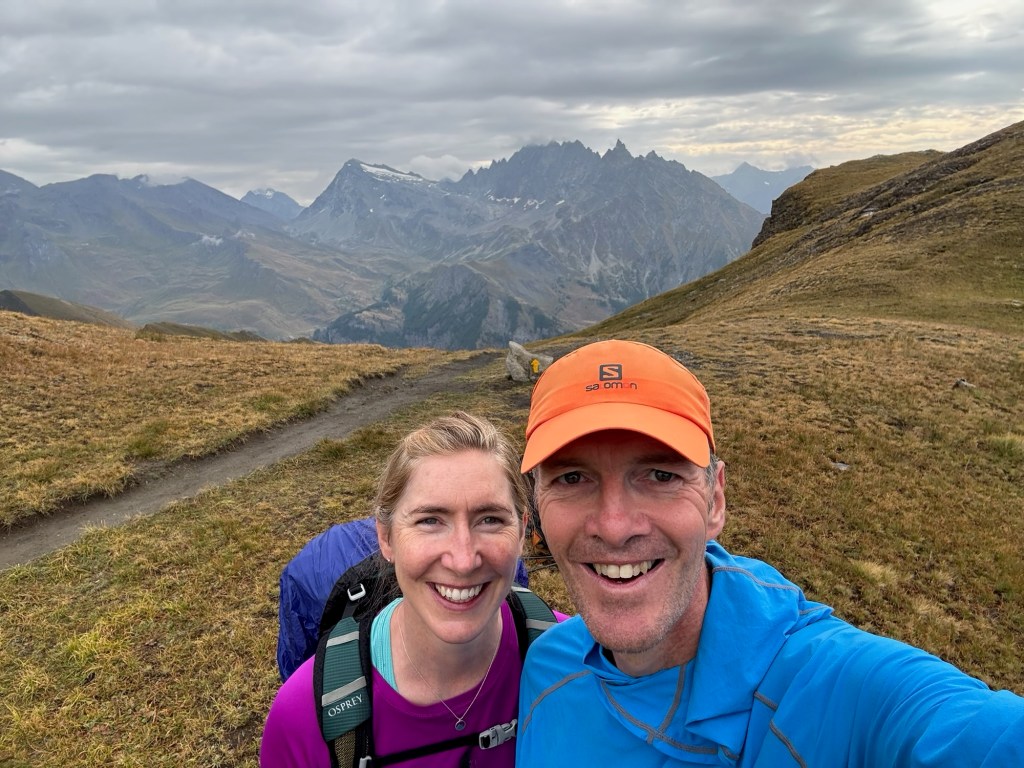
The climb to the col took about 30 minutes and was surprisingly gentle. Walking with the French helped us keep a steady pace without overheating, and we reached the top in good spirits. We took photos for each other at the col.
Despite the guidebook’s warning, the descent was straightforward and not technical at all. Our plan was to walk to St. Rhémy, about five hours away, and catch the bus up to the Grand Saint Bernard Pass, skipping the final three-hour climb due to the storm forecast. Everyone we’d spoken to had advised against hiking in thunderstorms.
We had lovely chats with our French friends as we descended, but when I checked our ETA on my watch, we realised we were cutting it close for the bus. We said our goodbyes and pushed ahead—it felt strange knowing we wouldn’t see them again after sharing so many meals and moments over the past 4.5 days.
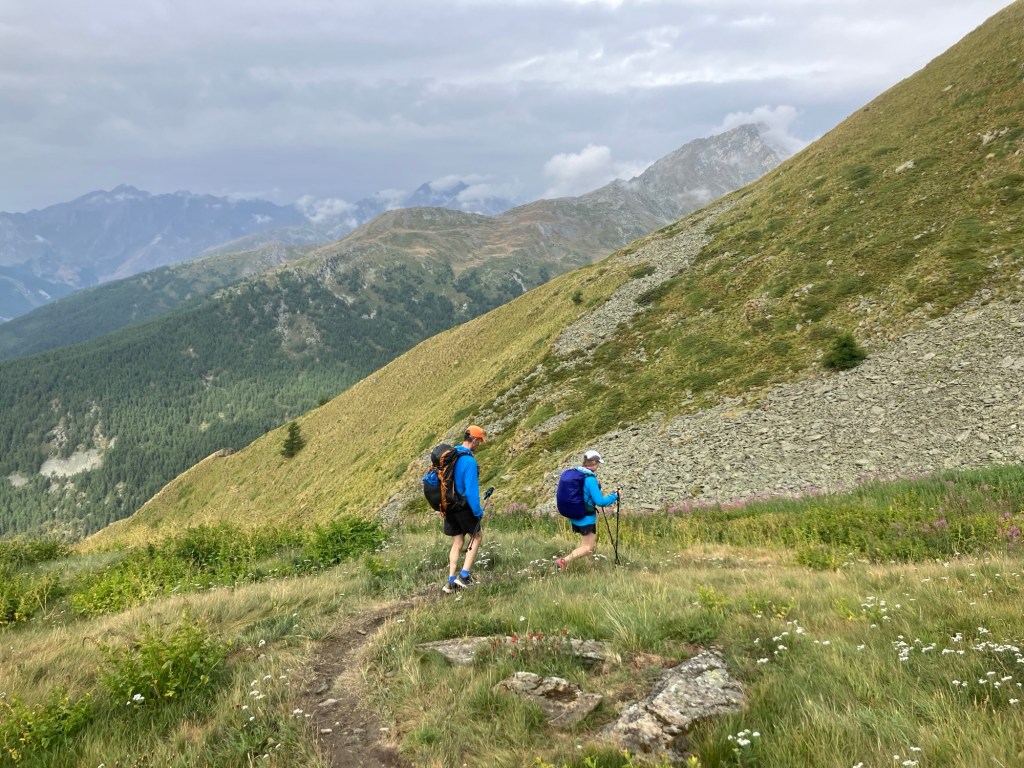
The trail led into the trees, and we caught up with the Dutch family for a bit of banter. For the first time on the treck, our GPX files didn’t match the trail signs. We decided to follow the signs and rock markings, but our ETA kept creeping up.
Eventually, the track led through woods and onto a small road, then across to another forest path that brought us into St. Rhémy. Just as we arrived, at 13:30, in good time for the bus, the rain began and clouds rolled in. The village was charming, and we walked up to Hotel Suisse to ask about the bus. The barman kindly checked the schedule and confirmed we could catch it at the end of the road.
We settled into the warmth of the hotel to wait the 1.5 hours for the bus, treating ourselves to the most incredible Italian hot chocolate—thick, molten bliss—followed by coffee. All four drinks came to just €9! Midway through, the younger French couple from our dorms arrived; they were staying overnight there.
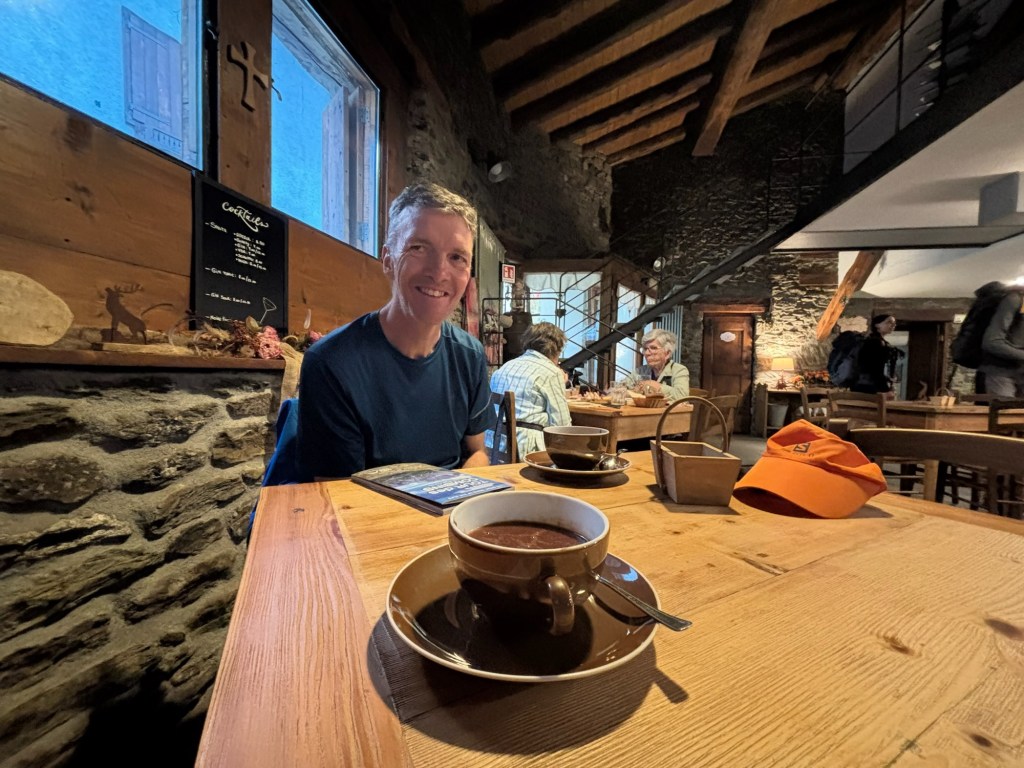
Eventually, we left the cozy hotel and waited at the bus stop. Right on time, the bus arrived, and we paid €5 for two tickets to ride up to the pass. Banashri, our dinner companion from the previous nights, was already on board, and we shared stories from the day.

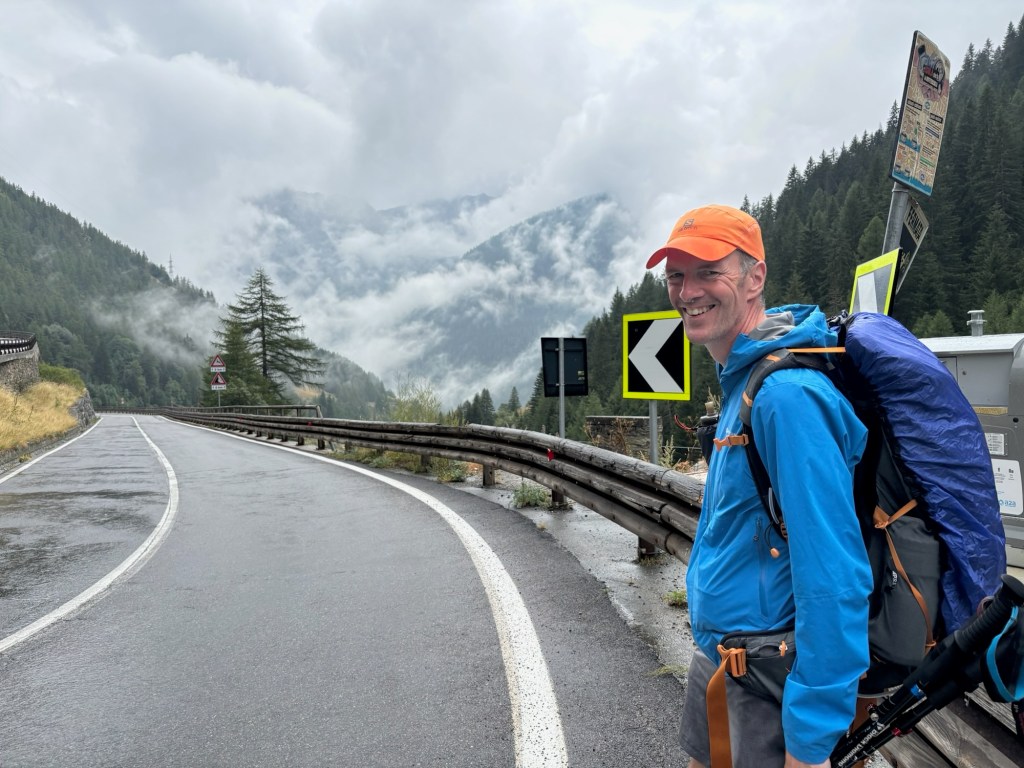

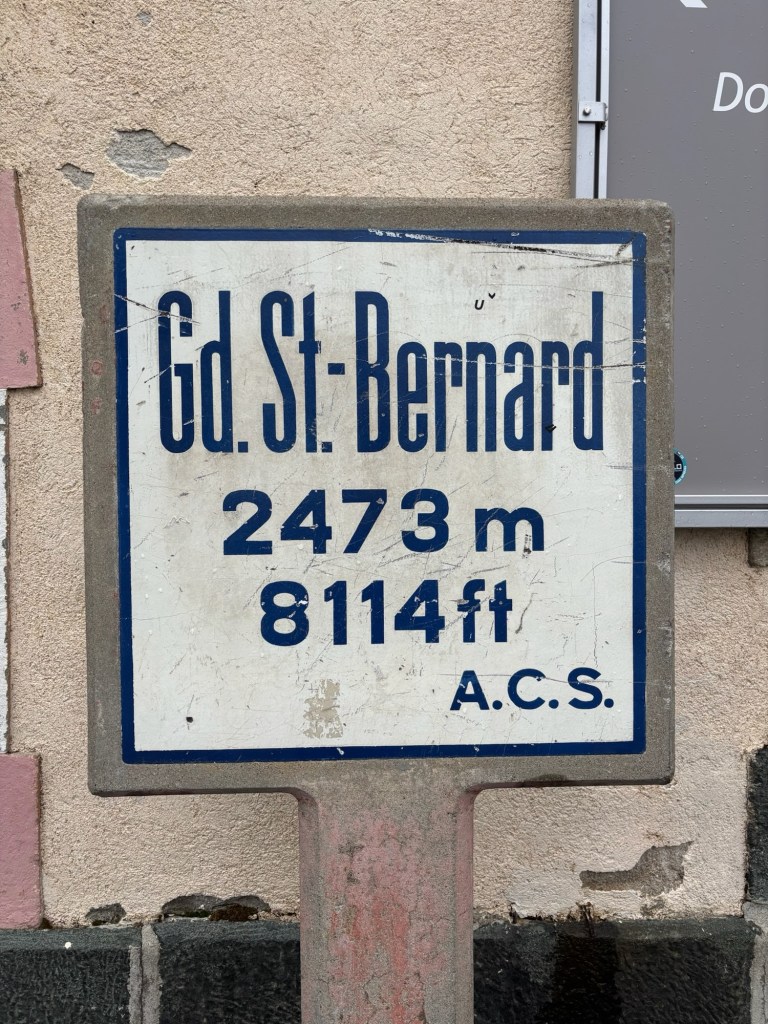
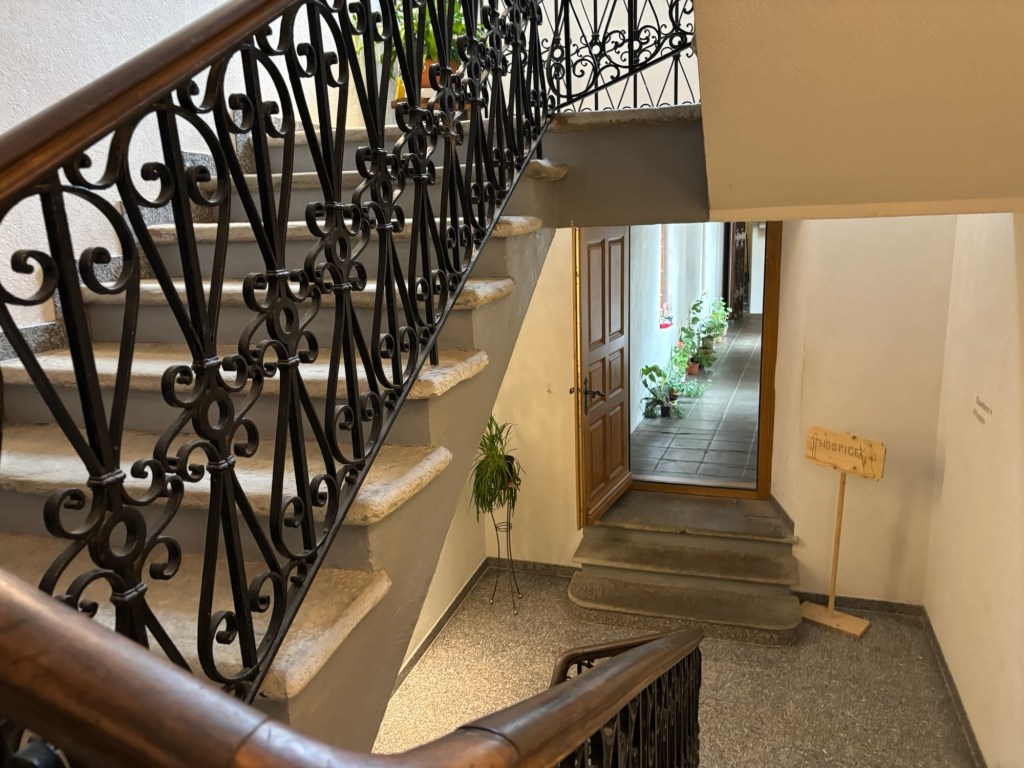
Arriving at the Col du Grand Saint Bernard, we walked around the lake to the hospice and checked into our hotel, Auberge de l’Hospice. It was simply decorated but had all the comforts we needed—our own en-suite, a radiator (much appreciated in the 5°C chill), and a warm shower.
After freshening up, we spent an hour reading before heading out to explore the hospice and museum. The church was peaceful, the museum of treasures fascinating, and the historic films about life at the pass in the 1930s were especially captivating.
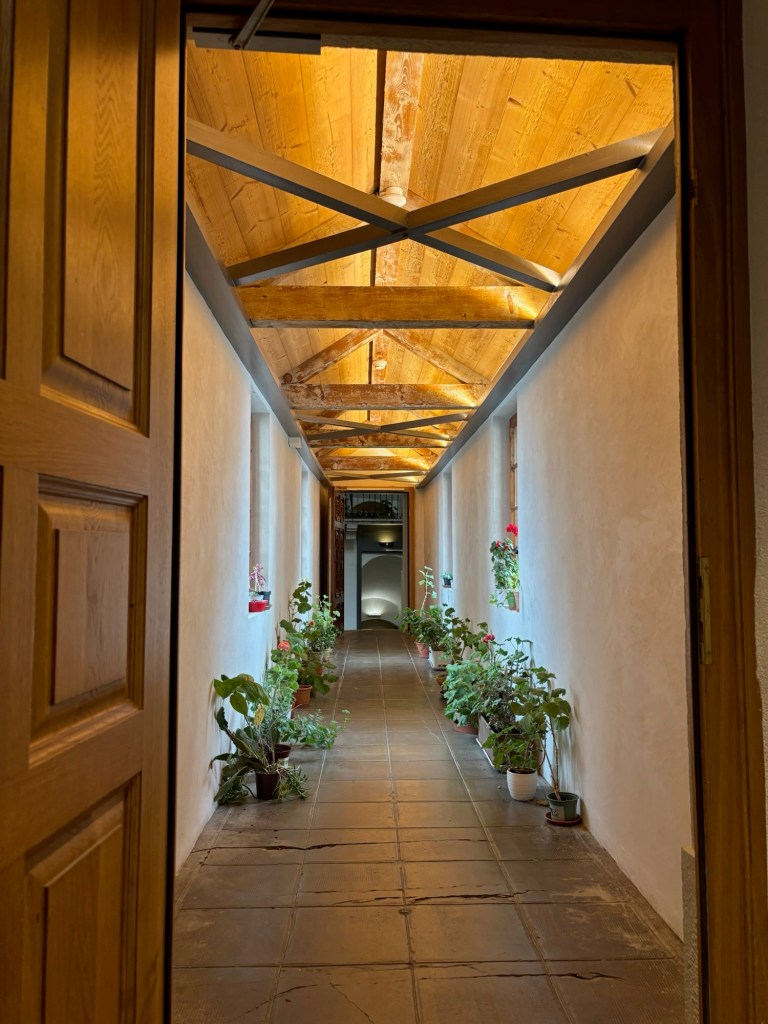
Dinner was back to Swiss prices and portions, but it was good.
Day 6: Col du Grand Saint Bernard to Bourg-Saint-Pierre
After five days of intense hiking, dramatic landscapes, and unforgettable encounters, Day 6 was a chance to slow down and reflect. With only 3.5 hours of walking ahead and our bus not due until 17:17, we allowed ourselves a lazy morning.
We had breakfast and returned to the hospice museum to finish watching the historic films we’d started the night before. These stories of people making treacherous journeys to the pass over centuries stayed with us as we began our descent around 11 a.m.
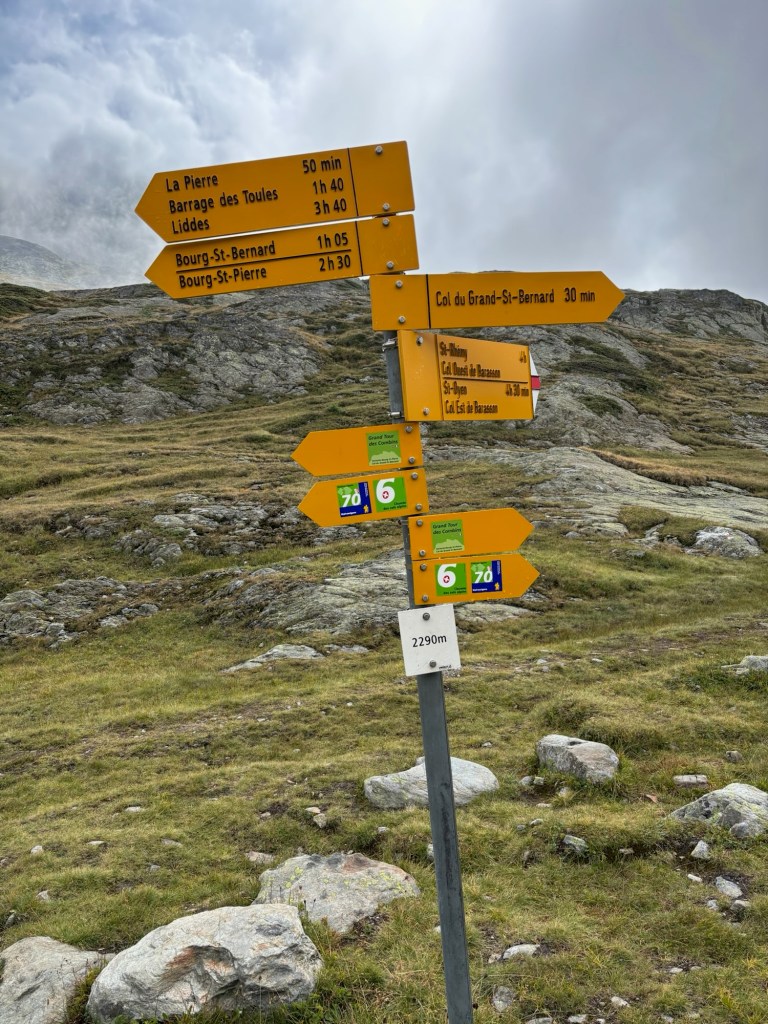

The forecast again warned of rain and storms, but we left in dry—though very thick—mist, which the hotel staff assured us was only lingering at the pass. As we descended, we gradually emerged from the mist, the valley opening up below us.
The trail crossed the road and followed a stream that eventually fed into the reservoir near Bourg-Saint-Pierre. It was a peaceful walk, and we found ourselves reflecting on the incredible journey we’d just completed—six days of hiking through alpine passes, glaciers, and valleys, meeting truly wonderful and interesting people along the way.

Back in BSP, we unpacked our bags, repacked the suitcase, got changed, and had a late lunch. Then we walked up to the village centre to catch the bus to Orsières, where we’d begin our train journey back to Geneva Airport.
And who should we see at the bus stop? The Dutch family, just finishing their trek! We’d hoped to see our French friends one last time, but perhaps they were still walking.
 Bertie's World
Leave a comment